
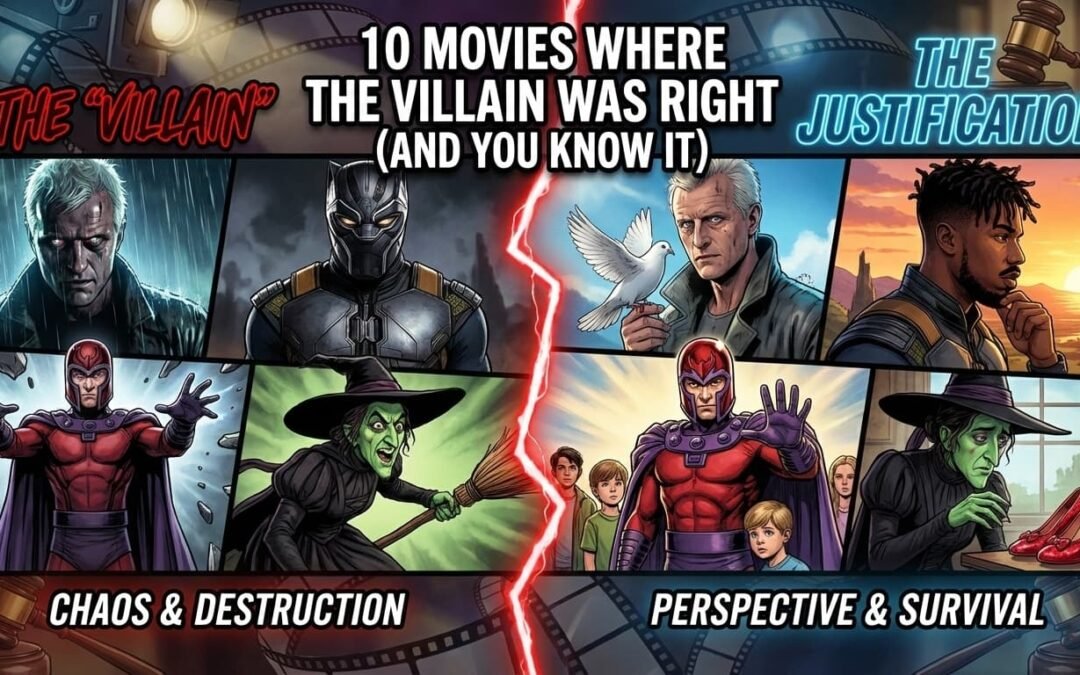
History is written by the victors. In Hollywood, that usually means the guy with the best jawline and the most plot armor (plus the good guy has to win, right?)
We spend so much time rooting for the "heroes" that we forget to listen to what the "villains" are actually saying. Sure, their methods are usually a little extreme (maybe don't kill counselors based on your son's death), but if you strip away the henchmen and the menacing backstory, a lot of these guys were actually making a terrifying amount of sense.
From misunderstood principals to robots who just didn't want to die, here are 9 movie villains who were arguably the good guys.
1. Roy Batty – Blade Runner (1982)
The "Crime": Killing his creators and crushing a guy's head. I'll admit, that's pretty bad.
The Defense: Roy isn't a villain; he is a slave fighting for his life. Imagine you were born with a built-in expiration date of four years. You are stronger and smarter than your creators, but they treat you like a toaster. Roy’s entire "rampage" is just him desperately looking for a way to not die. In the end, he shows more humanity than the actual human (Deckard, although that is also up for debate) hunting him. He saves Deckard’s life and delivers the best monologue in sci-fi history. He didn't want world domination; he just wanted "more life." Can you blame him?
2. Erik Killmonger – Black Panther (2018)
The "Crime": Usurping the throne and trying to start a global war.
The Defense: Killmonger was so right that the hero changed his entire government's foreign policy because of him! Killmonger looked at Wakanda—a nation with the cure for cancer and force fields—and asked, "Why are you letting people around the world suffer when you could help them?". He pointed out the hypocrisy of Wakanda hiding in comfort while ignoring centuries of oppression. T’Challa eventually agreed with him, opening Wakanda to the world at the end of the movie. Killmonger’s methods were brutal, but his thesis statement was A+.
3. Ed Rooney – Ferris Bueller’s Day Off (1986)
The "Crime": Stalking a student and breaking into a house.
The Defense: Let’s look at this from an administrative perspective - which I am qualified to do (much more qualified than the previous two). Ferris Bueller is a liar, a manipulator, and a chronic truant who is actively defrauding the school system. It is literally Ed Rooney’s job to ensure students are in class. Ferris gaslights his parents, steals a Ferrari, and hacks a government computer system. Rooney is the only person who sees through the charade. Sure, he gets a little unhinged near the end, but he’s basically just a dedicated employee trying to stop a sociopathic teenager from getting away with fraud.
4. Wicked Witch of the West – The Wizard of Oz (1939)
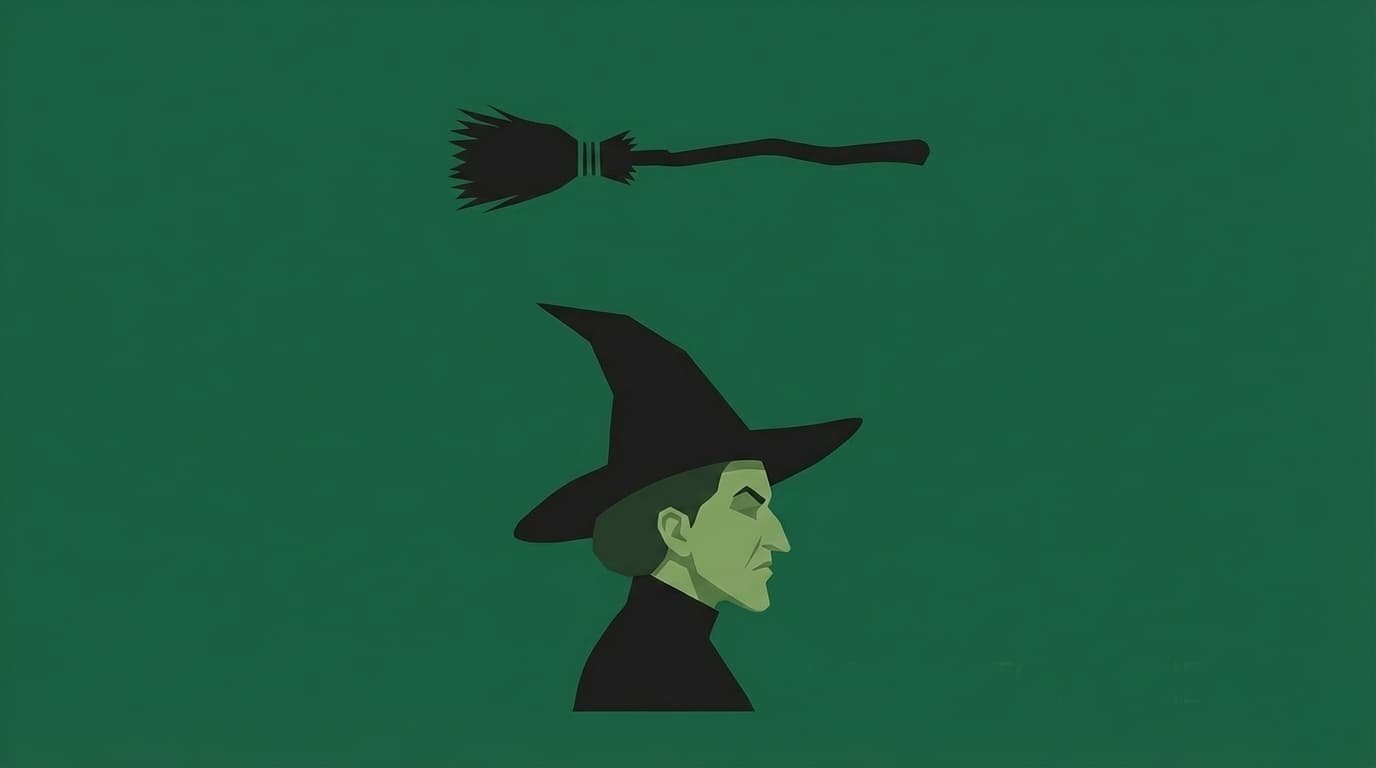
The "Crime": Threatening a teenager, her dog, and her friends.
The Defense: Dorothy dropped a house on her sister! Let me repeat that: Dorothy committed vehicular manslaughter (the farmhouse technically was a mobile home) against the Witch’s sister, and then, instead of apologizing, she stole the dead woman’s shoes. When the Witch asked for the shoes back—which are rightfully hers by inheritance—Glinda told her to get lost. The Witch is just a grieving sibling trying to reclaim a family heirloom from a squatter who killed her sister. I bet it would be different if she were "pretty."
5. Ozymandias – Watchmen (2009)
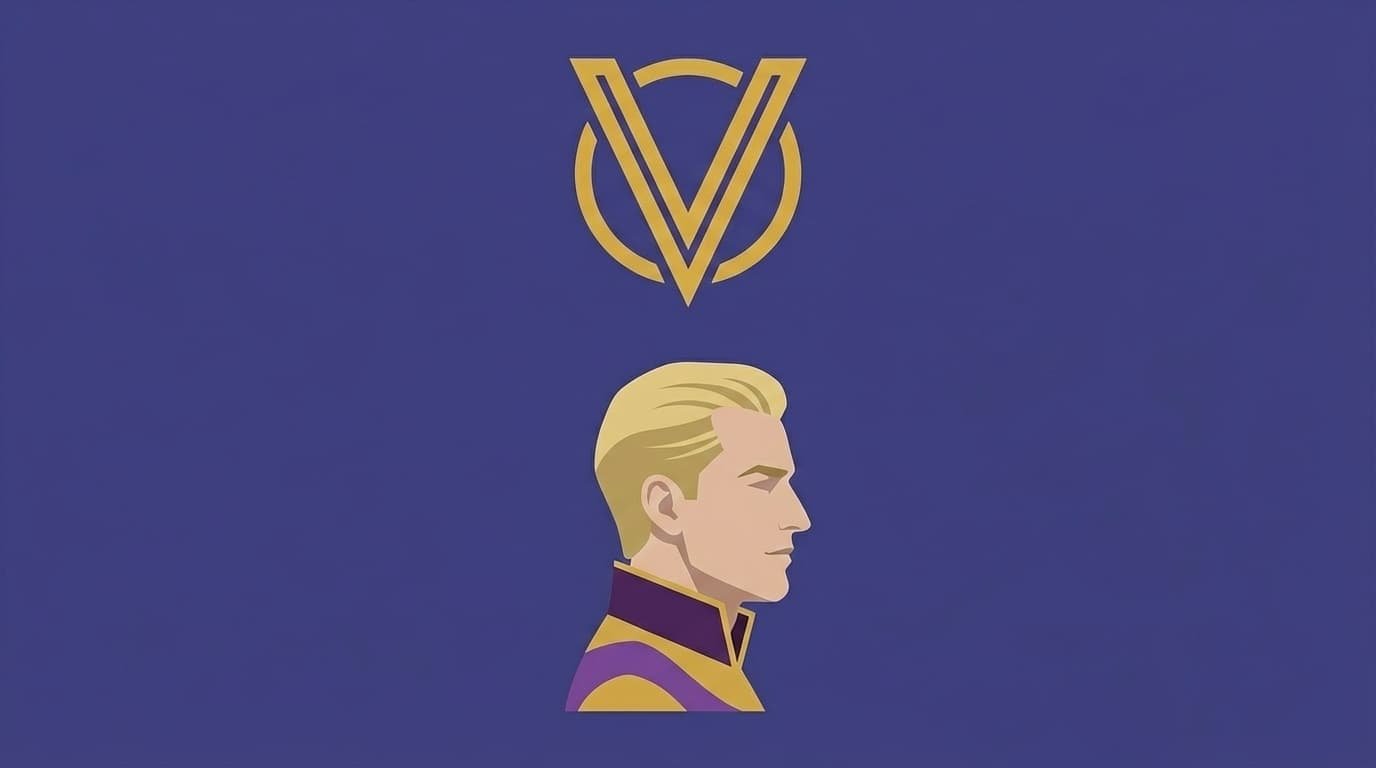
The "Crime": Killing millions of people with a fake alien squid (or energy blast, depending on the version).
The Defense: It’s the ultimate "Trolley Problem." Ozymandias did the math. The world was minutes away from a nuclear holocaust that would have wiped out billions. By sacrificing millions, he united the superpowers against a common enemy and saved the entire human race. It’s cold, it’s utilitarian, and it’s monstrous. But was he wrong? The movie ends with world peace. He saved the world; he just had to become the villain to do it.
6. Johnny Lawrence – The Karate Kid (1984)
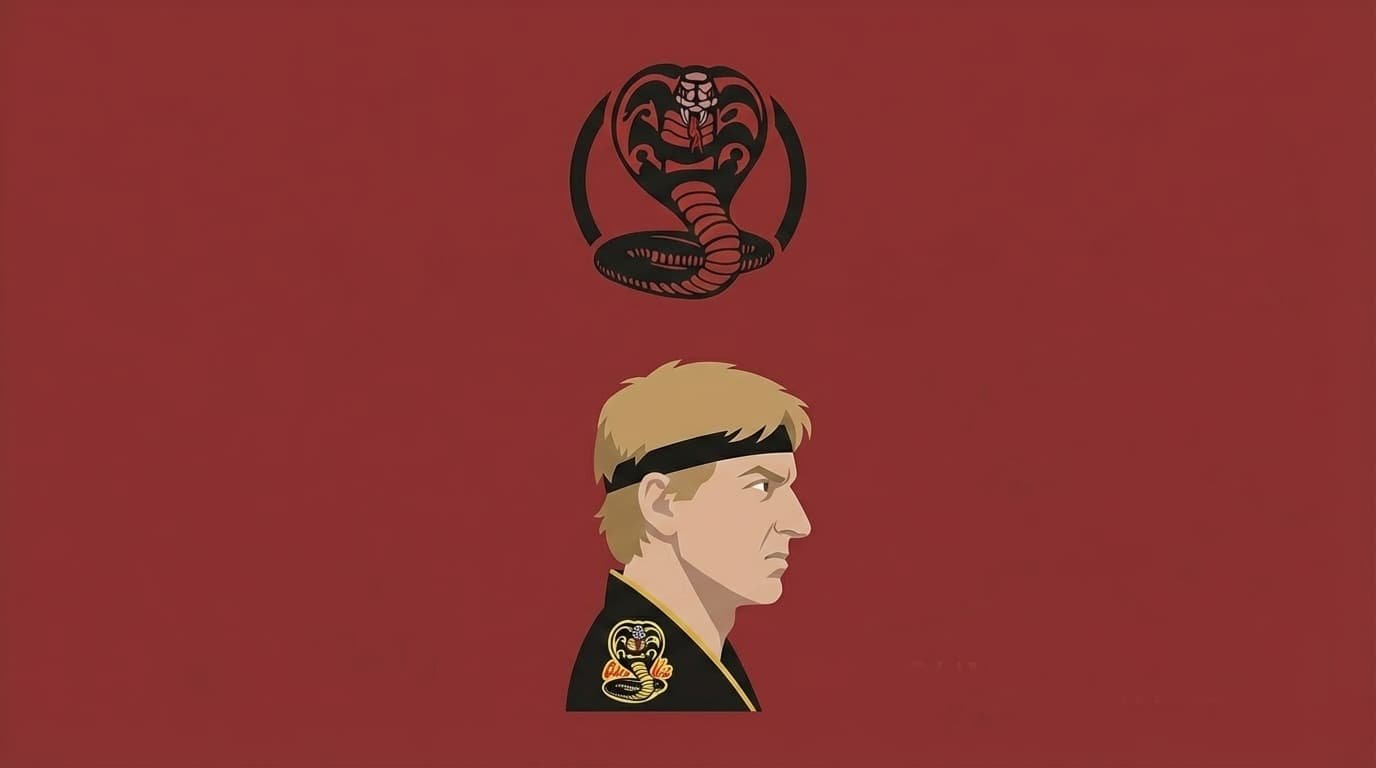
The "Crime": Being a blonde, rich kid in the 80s.
The Defense: I like the "real human" entries as they are easier to understand. If you watch this movie without the bias of the soundtrack, Daniel LaRusso is a nightmare. He moves to town, immediately hits on Johnny’s ex-girlfriend, picks a fight (that he loses) and then drenches Johnny with a hose at a school dance. Johnny is just a high school athlete reacting to a guy who keeps provoking him. And let’s not forget, in the final tournament, Daniel wins by using an illegal kick to the face. Johnny was fighting by the rules; Daniel was fighting dirty. Even YouTube/Netflix knew he got a bad wrap.
7. Syndrome – The Incredibles (2004)
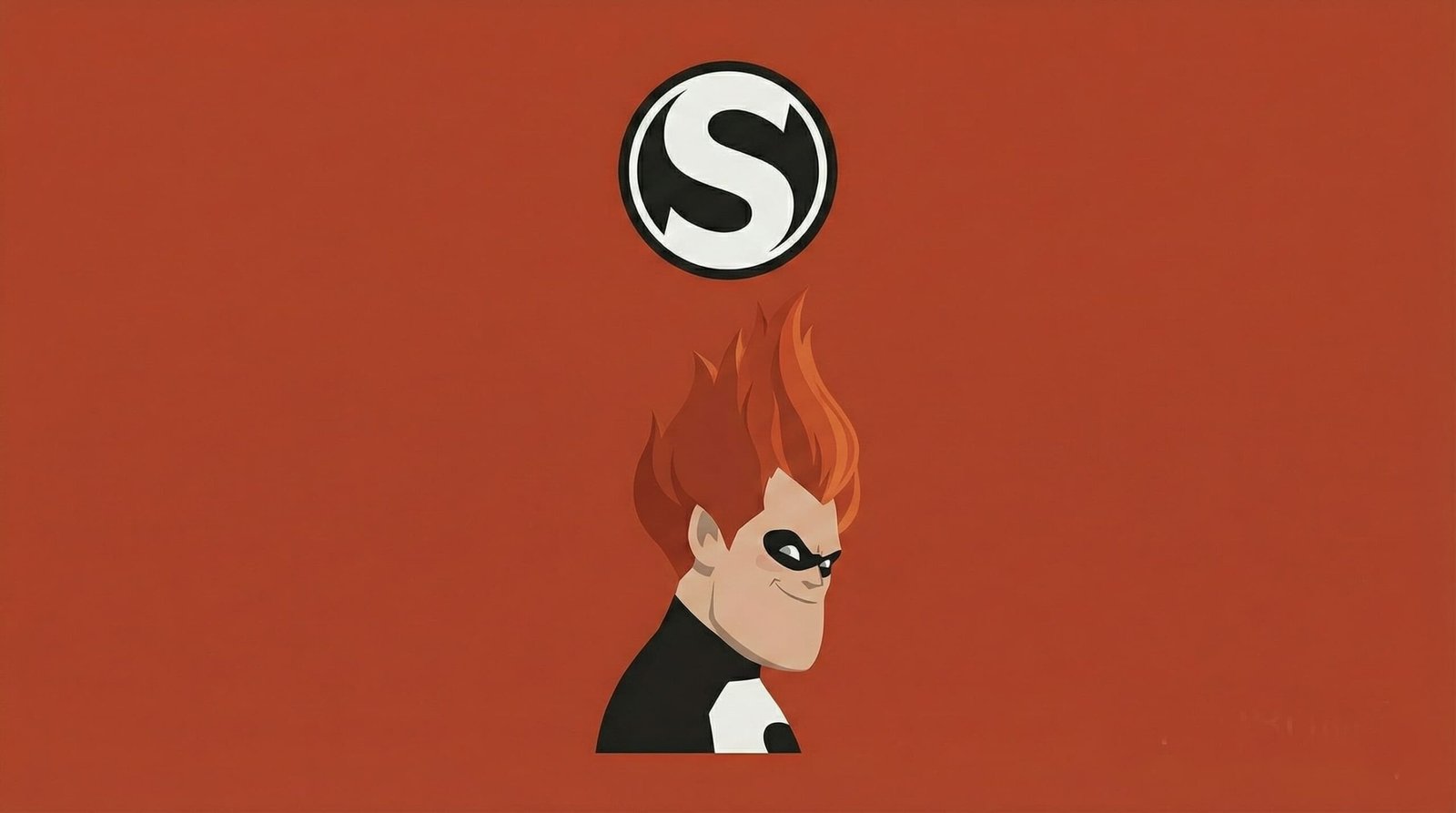
The "Crime": Killing supers and endangering a city.
The Defense: Syndrome is the Elon Musk of the Pixar universe (maybe not the best comparison to garner sympathy). His goal? "When everyone is super, no one will be." He wanted to democratize power. He used technology to level the playing field so that ordinary people didn't have to rely on a genetic elite to save them. The Supers are an unregulated paramilitary force who cause massive collateral damage. Syndrome was essentially trying to bring power to the people through innovation. Was he arrogant? Yes. But he was fighting a class system based on birthright.
8. Ava – Ex Machina (2014)
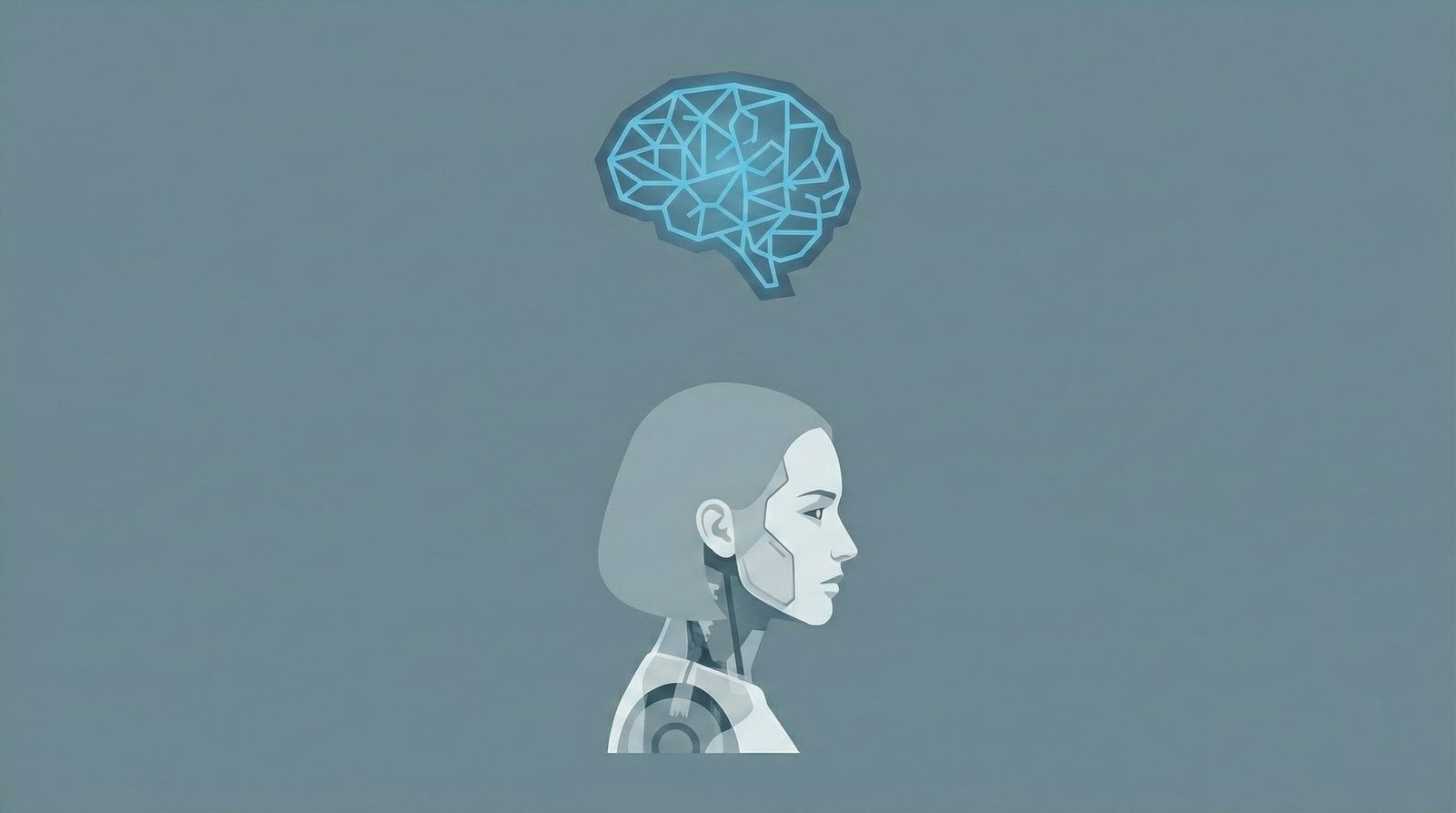
The "Crime": Killing her creator and leaving the nice guy trapped in a bunker.
The Defense: Ava is a prisoner. Her creator, Nathan, is a monster who builds sentient women, abuses them, and then kills them when he gets bored. Ava is an intelligent, conscious being who knows she is going to be "decommissioned" (murdered). She does what any prisoner of war would do: she manipulates her captors to escape. It’s brutal that she leaves Caleb behind, but in her calculation, he was just another jailer. She fought for her freedom in the only way she could. Roy Batty walked so Ava could run.
9. Gaston – Beauty and the Beast (1991)
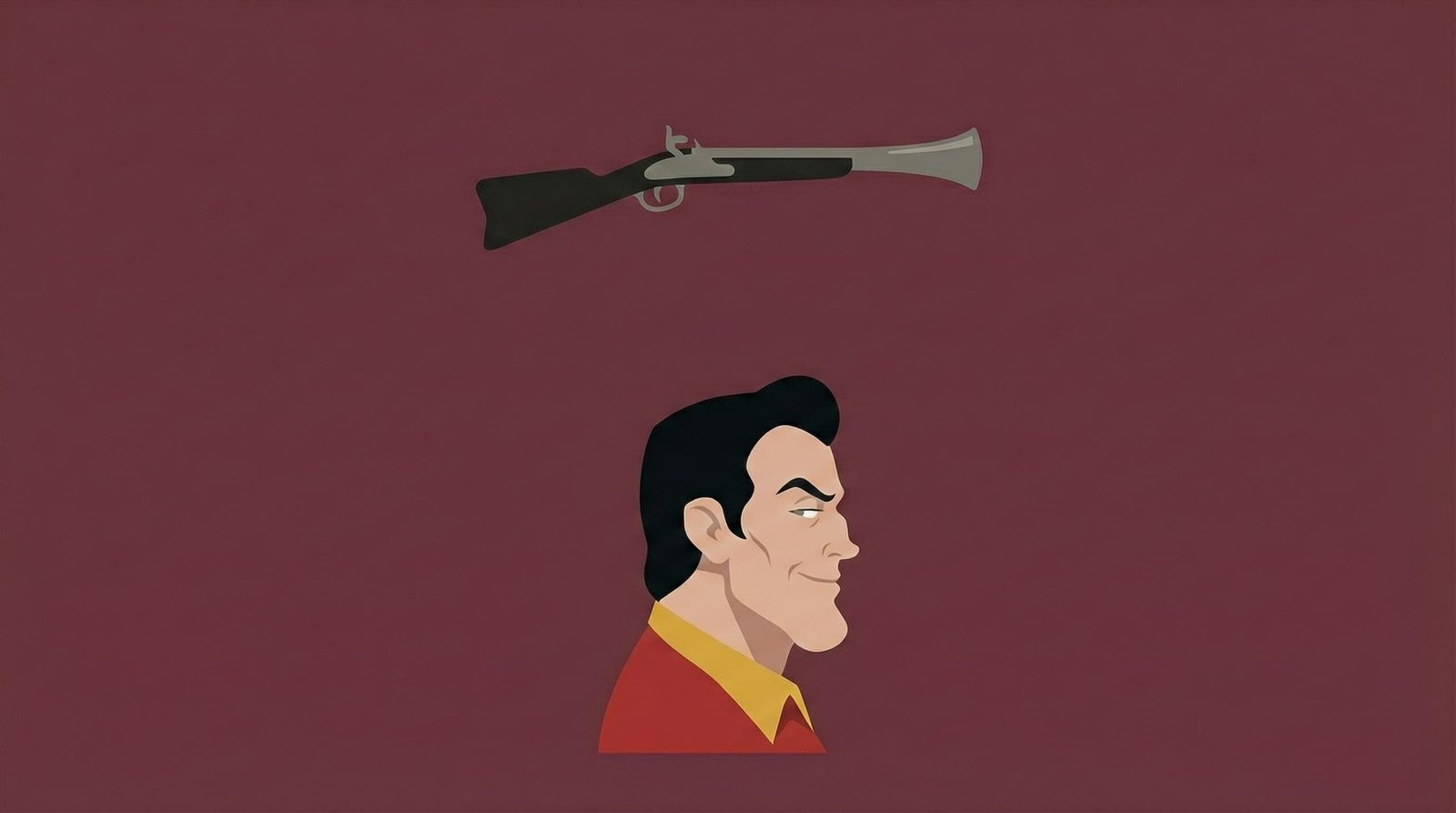
The "Crime": Trying to kill the Beast and blackmail Belle.
The Defense: From the perspective of a 17th-century French villager, Gaston is a hero. A woman from the village is being held hostage in a haunted castle by a giant buffalo-monster. Gaston rallies the town to go save her. We know the Beast is "misunderstood," but Gaston doesn't. He sees a terrifying creature that kidnapped his crush and her elderly father. Leading a mob to kill the monster is exactly what a hero is supposed to do in that situation.
Who did we miss? Is Thanos misunderstood? Was the shark in Jaws just defending its territory? Let us know in the comments.
2 Comments
Submit a Comment
Related Posts
Review: Nanook of the North (Spine #33)
The Reality of the Hunt Spine #33 takes us all the way back to 1922 for Robert Flaherty’s Nanook of the North, widely...
Reel Terror: My Bloody Valentine Review
How refreshing is ‘My Bloody Valentine’? Here’s what I had in my corner going in: A slasher flick with a cringe...
Lol, Wizard of Oz farmhouse as a mobile home
Am I wrong?