
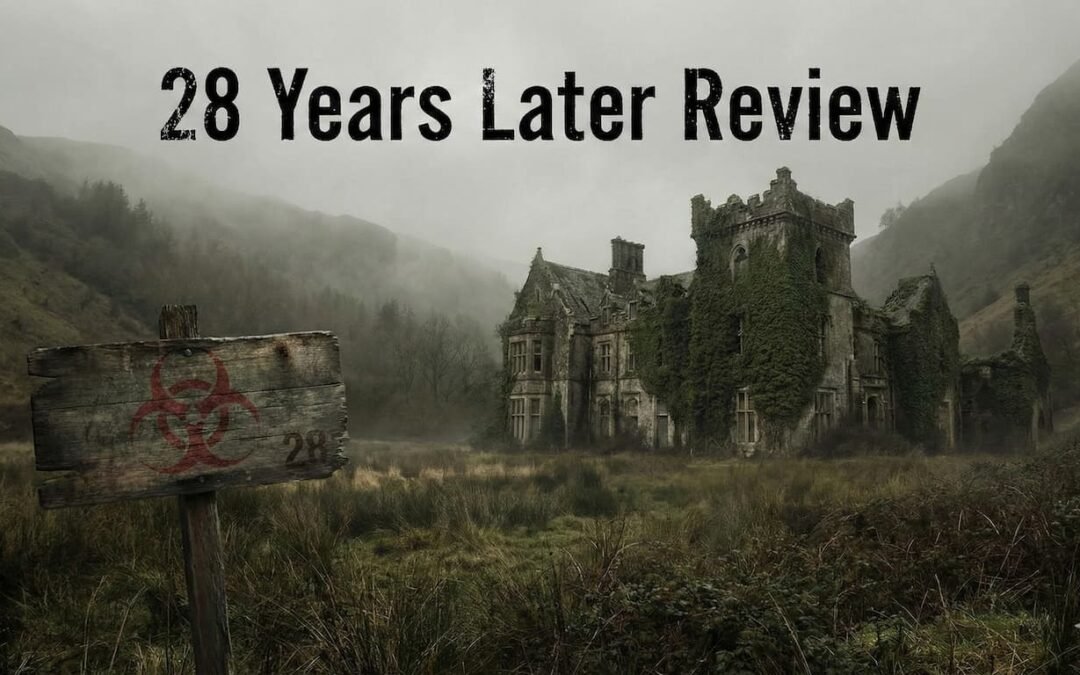
It has been over two decades since Danny Boyle reinvented the zombie genre by making them run. 28 Days Later was about immediate survival; 28 Weeks Later was about a failed attempt at restoration. Now, we have 28 Years Later, a film that asks: What happens when the apocalypse becomes history?
The answer is fascinating, frustrating, and biologically confusing all at once.
The New Dark Ages
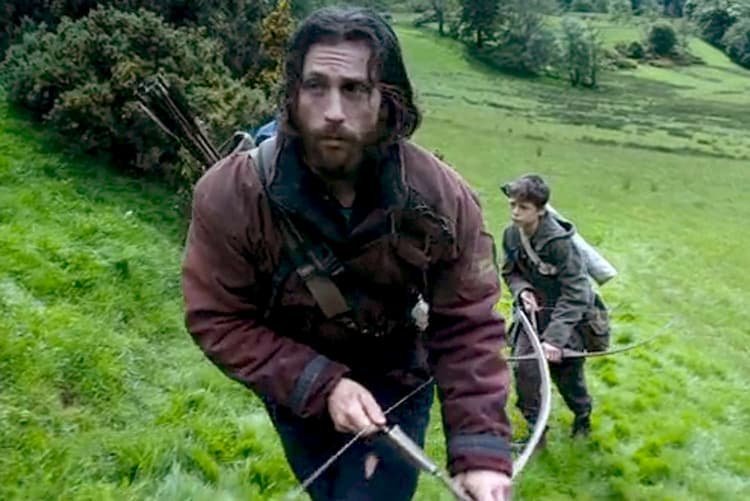
The strongest aspect of the film is the world-building. We aren't looking at high-tech military quarantine zones anymore. The leftover technology of the past has vanished, and civilization has downgraded to a practically medieval state. The film even cleverly splices in footage from old knights-and-castles movies to drive the point home.
I really appreciated this realistic take on societal regression. As the movie posits, scientific advancement cannot happen until there is a "surplus of survival." When every waking moment is spent farming or hiding, you don't have time to reinvent the iPhone. Seeing the UK devolve into a feudal, agrarian struggle was a grim but believable evolution of the franchise.
The "Living" Problem
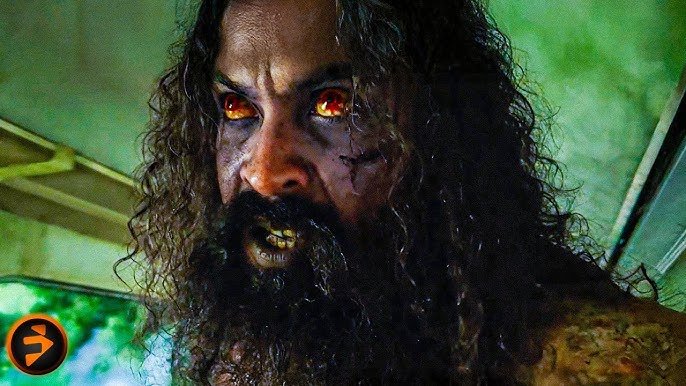
However, the movie stumbles hard when it tries to justify the threat. We have to remember: the Infected are not the undead. They are living humans infected with the Rage virus. They starve. They bleed. They die.
So, how are there still so many of them after 28 years? The film glosses over how these creatures have eaten enough to survive three decades on an island with a dwindling population. Several times, we see a morbidly obese Infected crawling on the ground. How? How does a slow, crawling creature catch enough prey to maintain that mass in a starvation environment? It felt like the movie forgot its own rules to provide a visually gross monster.
The Brexit of it All
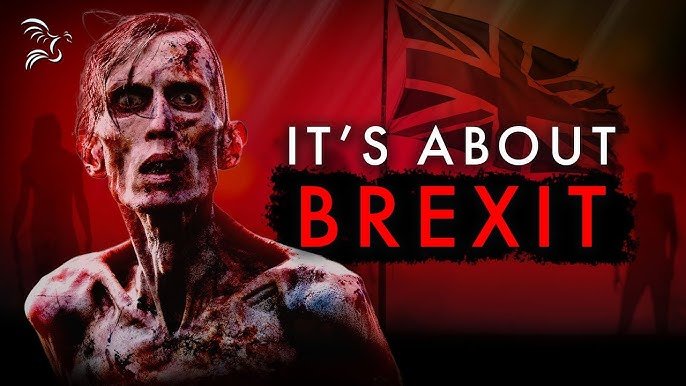
There is also a fascinating, if subtle, political subtext regarding the rest of the world. While the UK has fallen into the Dark Ages, the mainland of Europe seems to have simply turned its back. There is no aid, no intervention, and no military presence.
It feels like a harsh allegory for Brexit—a severed UK left to deal with its own rot while the continent moves on. The isolation adds to the hopelessness, even if I found myself wondering why NATO wouldn't have firebombed the island by now just to be safe.
A Family Affair (For Better or Worse)
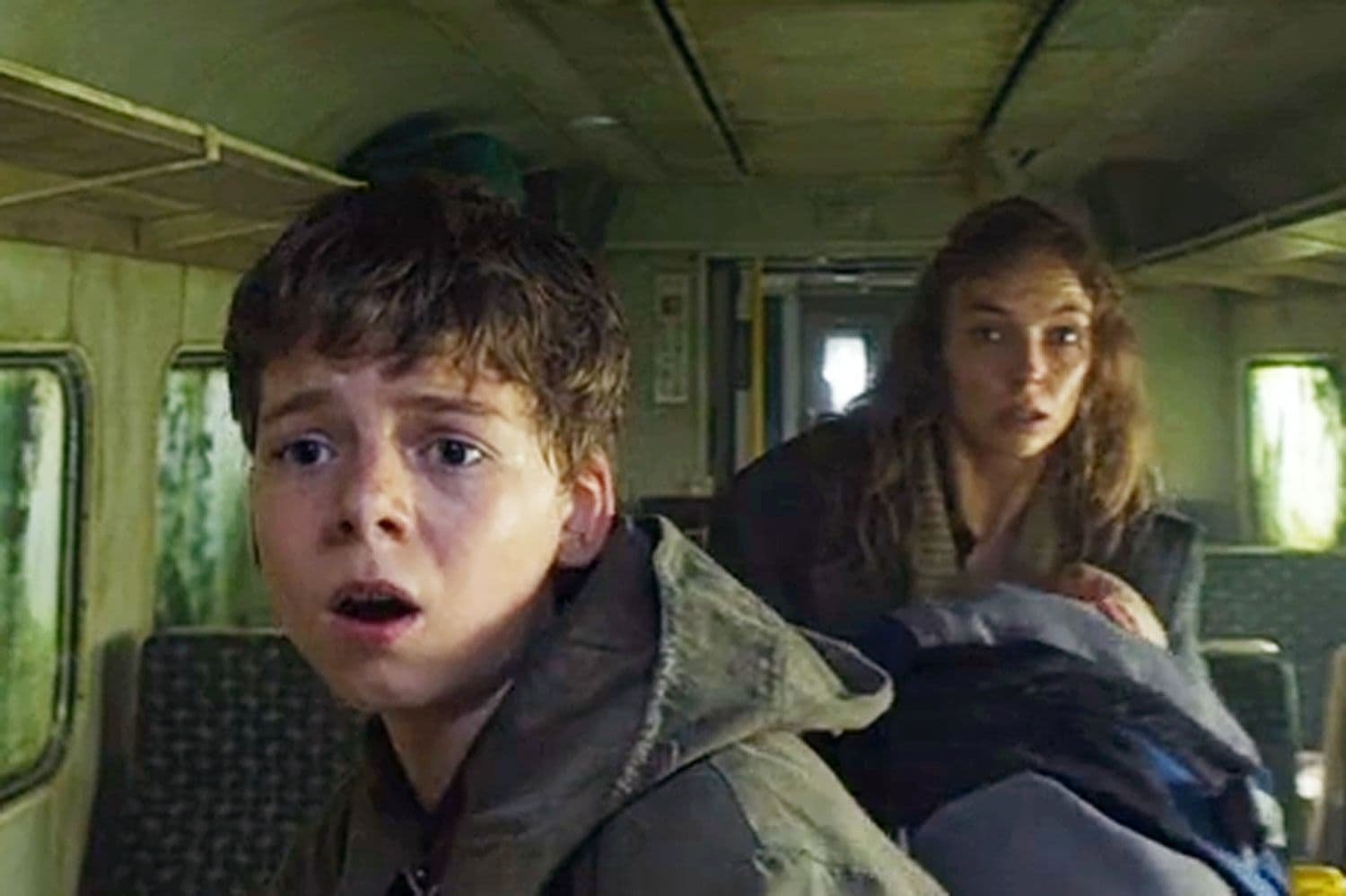
Tonally, this doesn't feel like a political thriller or a high-octane horror movie. It plays out like an intimate family drama set against a zombie backdrop. While the stakes are personal, the heavy focus on the father/son dynamic in the first act really drags the pacing down.
By the time the action kicks in, the Infected feel less like a terrified, overwhelming force of nature and more like background noise to the family angst. That is, until the film drops its biggest lore bomb: a pregnant Infected woman giving birth to an uninfected baby. It’s a massive revelation that suggests the virus doesn't cross the placenta, offering a glimmer of hope for the future—even if the science behind it is as shaky as that crawling zombie.
The Verdict
28 Years Later offers a compelling vision of a de-evolved society, but it lacks the visceral, heart-pounding terror of its predecessors. It trades the sprinting Rage for a slow-burn family drama, and while the ideas are interesting, I found myself checking my watch and wondering how these zombies are still getting their calories.
Score: 3.5 out of 5 Handmade Arrows
Have you seen this movie? What did you think? Let us know in the comments!
Related Posts
Review: Nanook of the North (Spine #33)
The Reality of the Hunt Spine #33 takes us all the way back to 1922 for Robert Flaherty’s Nanook of the North, widely...
Reel Terror: My Bloody Valentine Review
How refreshing is ‘My Bloody Valentine’? Here’s what I had in my corner going in: A slasher flick with a cringe...
0 Comments