

The Emperor’s New Sci-Fi
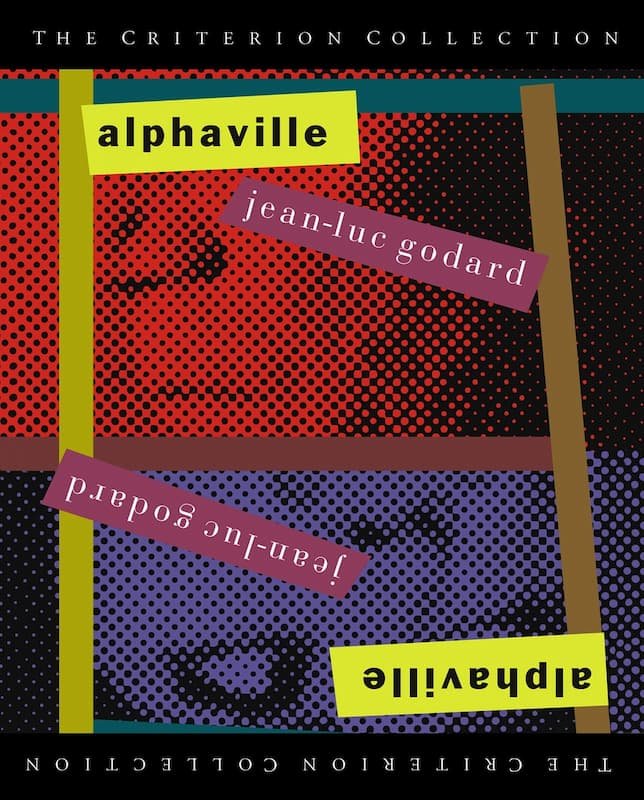
Sometimes, a film is a profound exploration of society, and sometimes, it is exactly what it looks like: an aimless, overly stylistic art project. Jean-Luc Godard’s Alphaville (1965) falls squarely into the latter category. It feels less like a movie and more like an interpretive dance and a French New Wave love child that was allowed to pick its own name, despite knowing nothing about actual society.
The film is famous for shooting “the future” using only modern-day Paris at night, with zero special effects. While some critics praise this as visionary, it comes across as an exercise in ego. This wasn’t a choice born of budget constraints; it was a choice made strictly so Godard could show the audience how “cool” he was. It is a director forcing his unvarnished vision onto the viewer and demanding they applaud his brilliance rather than actually building a compelling world.
This arrogance bleeds into the characters, who are completely void of life or relatability—another intentional, yet highly alienating, choice by the director. There are films that let you turn off your brain and enjoy the ride, and films that pose genuine societal questions. Alphaville does neither. It is totally nonsensical. The true frustration of a film like this is the culture around it: certain viewers, in a desperate attempt to prove they “get it,” will elevate the aimless stylings and alienate anyone who correctly points out that the emperor has no clothes.
The Verdict: Alphaville is an exhausting exercise in French New Wave pretension. It sacrifices storytelling for style, leaving the viewer with a cold, empty film that cares more about its own aesthetic than its audience. It is a full-length cologne commerical.
Related Posts
Review: High and Low (Spine #24)
The Morality of a Ransom For my second Kurosawa experience (after Seven Samurai ), High and Low (1963) trades the…
Reel Terror: Blood Quantum Flips the Script on Infection, Even if the Drama Doesn’t Quite Stick
Fresh off watching 28 Years Later , my wife and I were still in the mood for the undead, but we wanted something with…
0 Comments