
Handmade Magic
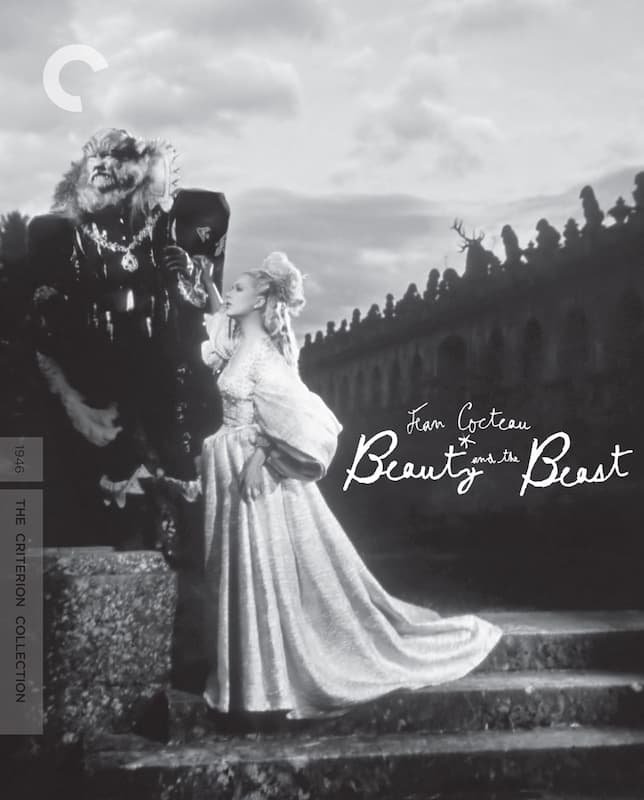
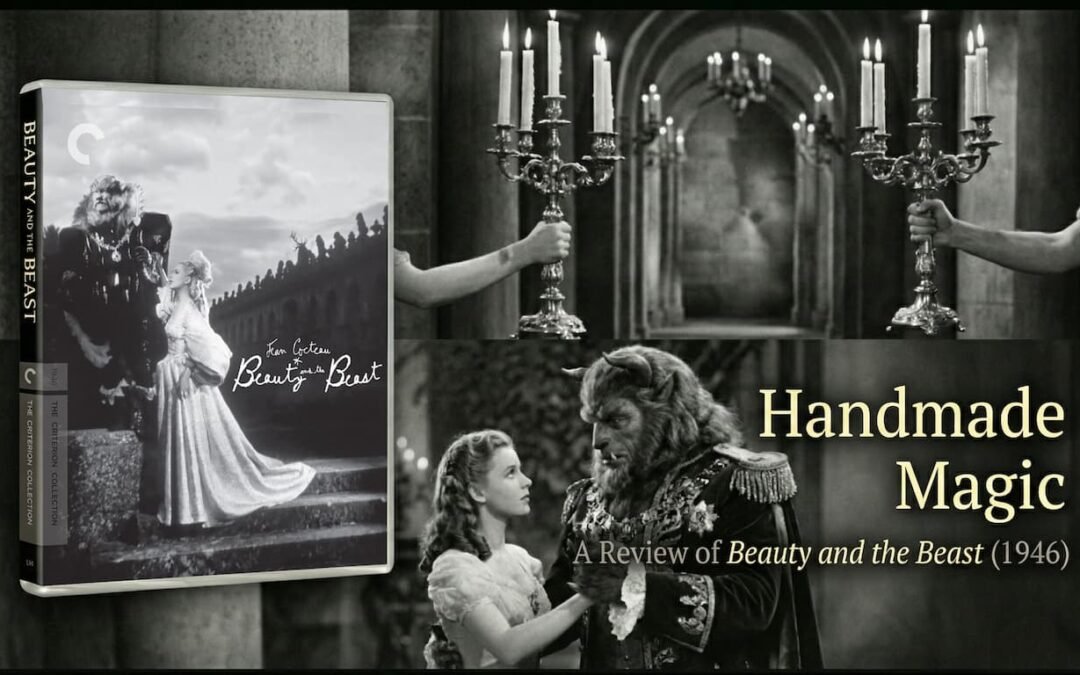
After the stark, street-level realism of The 400 Blows, Spine #6 is a reminder that cinema is also a machine for dreams. Jean Cocteau’s Beauty and the Beast (1946) is a fairy tale, but it relies on a very specific kind of enchantment that modern movies have lost: practical effects.
In an era before computer processing, Cocteau had to rely on imagination and engineering. When a hallway of human arms holds candelabras, or smoke billows from a magic glove, you are watching a physical trick, not a pixel. I found myself missing these days of practical effects; even if they aren’t “realistic” by modern standards, they engage the viewer, inviting us to figure out how the magic was made rather than just accepting a CGI render.
The film also flips the script on the traditional “monster” narrative. Cocteau makes it clear that the humans—specifically Belle’s greedy family and the arrogant suitor Avenant—are the ones who are morally ugly. The Beast, despite his fangs and claws, is the better “person.” He isn’t pathetic; he is simply a being who has learned that personality and empathy matter far more than being “pretty.”
This theme is cemented by the brilliant casting of Jean Marais in three roles: the jerk suitor Avenant, the Beast, and the Prince. It feels like Cocteau dipping into his bag of tricks one last time for the finale. By giving the Prince the face of Avenant, the ending becomes a total victory for Belle. She was physically attracted to Avenant but repulsed by his soul; she loved the Beast’s soul but feared his face. In the end, she gets the best of both worlds: the face she wanted with the heart she needed.
The Verdict: Beauty and the Beast is a triumph of atmosphere and practical creativity. It proves that you don’t need millions of dollars in digital effects to create a world that feels truly magical; you just need a vision, some smoke, and a little bit of poetry.
2 Comments
Submit a Comment
Related Posts
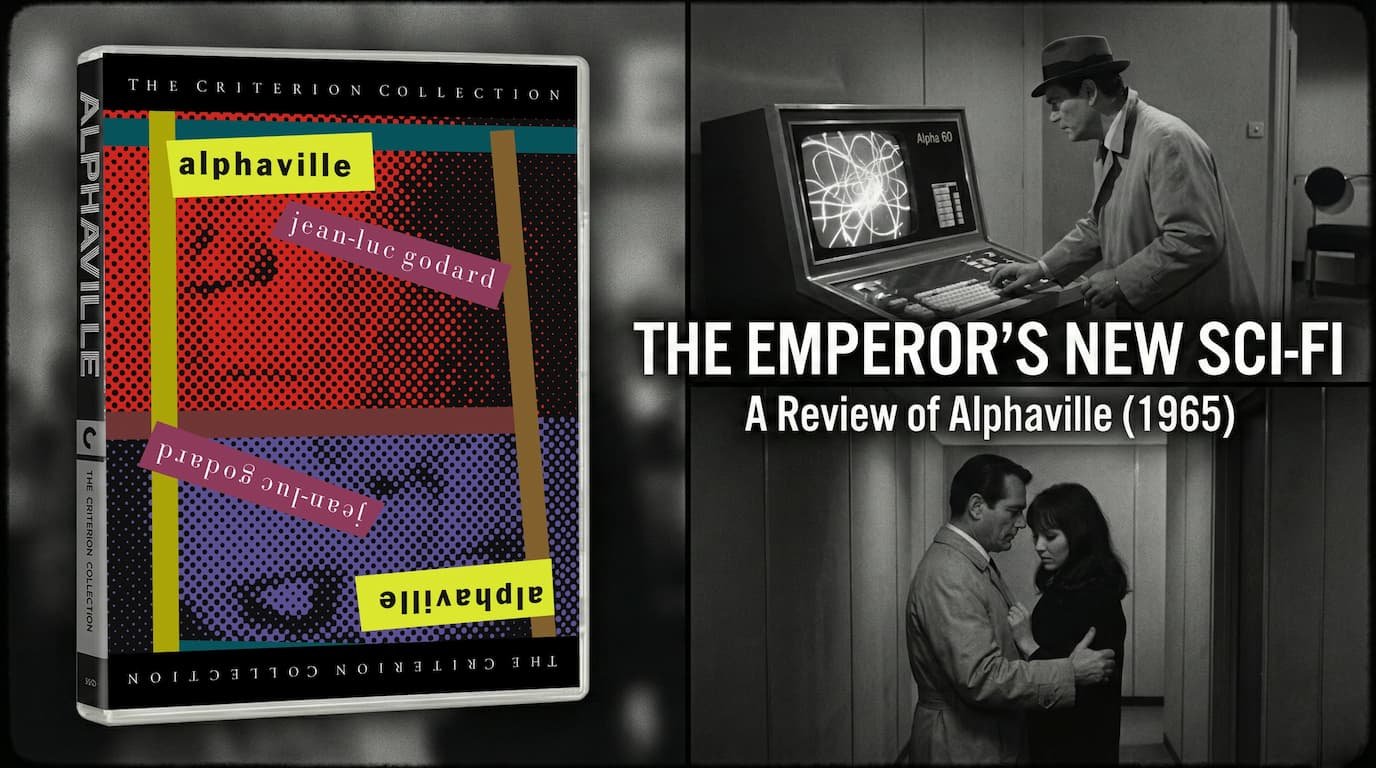
Review: Alphaville (Spine #25)
The Emperor’s New Sci-Fi Sometimes, a film is a profound exploration of society, and sometimes, it is exactly what it…
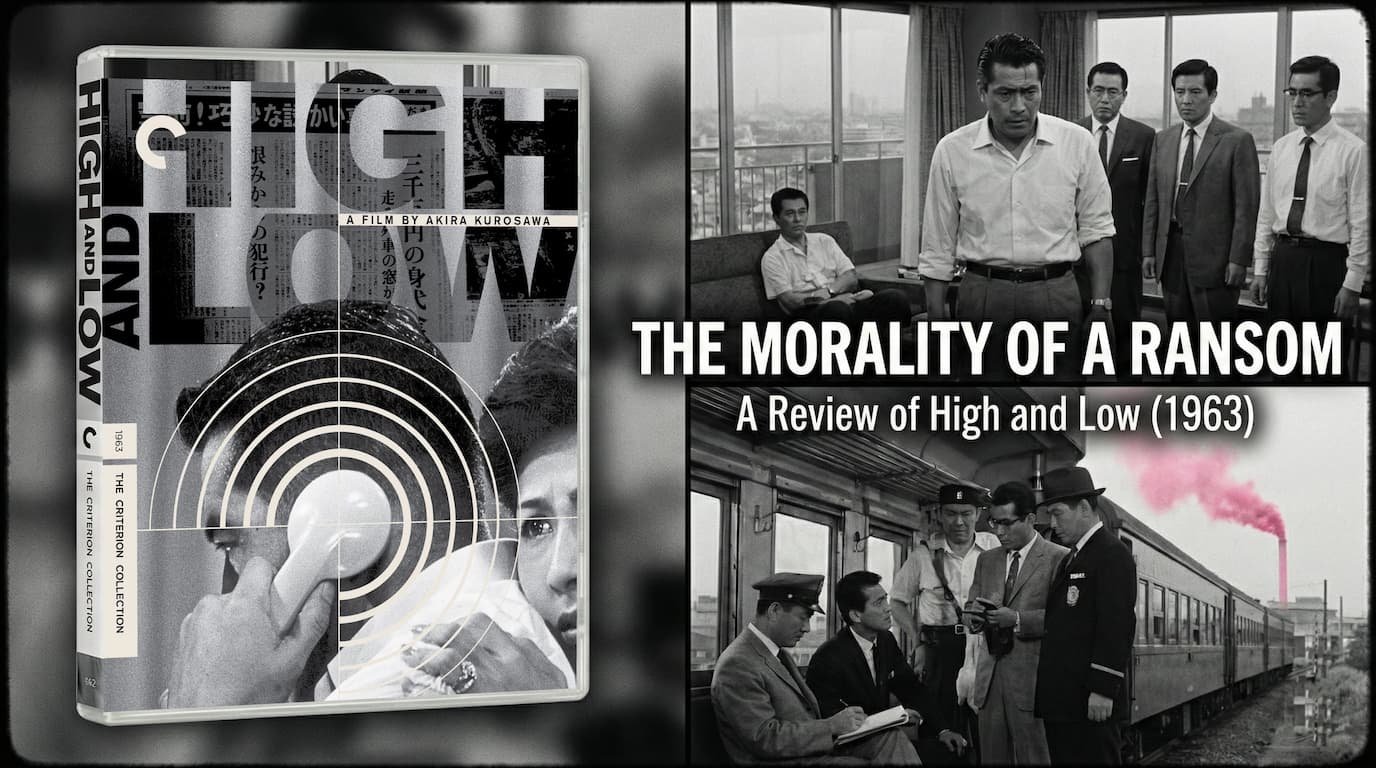
Review: High and Low (Spine #24)
The Morality of a Ransom For my second Kurosawa experience (after Seven Samurai ), High and Low (1963) trades the…
It’s not realistic to me unless Andy Serkis is covered in ping pong balls
Facts are facts