
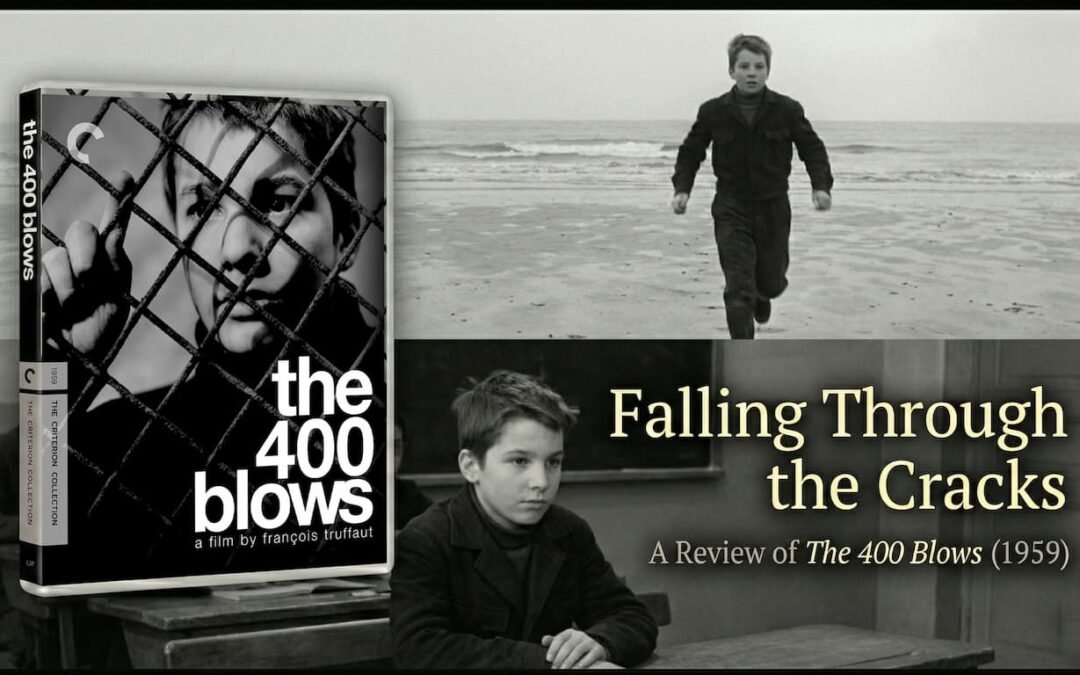
Falling Through the Cracks
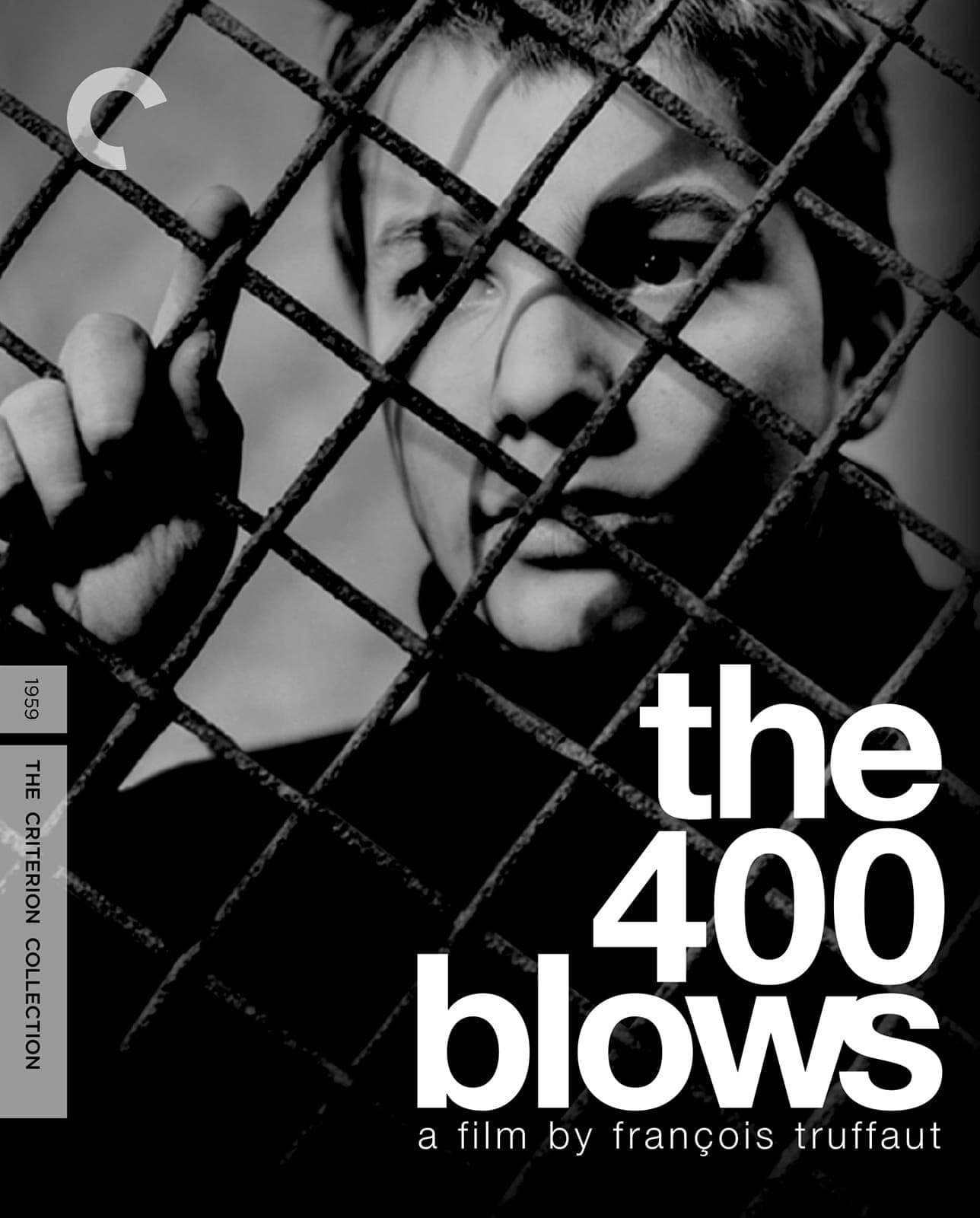
After the surreal, carnival-like memories of Amarcord, Spine #5 drags us back to a stark reality. François Truffaut’s The 400 Blows (1959) is a shattering look at youth, but more importantly, it is an indictment of the adults who are supposed to protect it.
The central tragedy of Antoine Doinel is not that he is unloved, but that the affection he receives is inconsistent and manipulative. His parents do not view him as a person, but as an obligation—a problem to be managed. His mother, in particular, uses affection as a bargaining chip, trying to “buy” his silence with a movie ticket, only to withdraw that love the moment he becomes inconvenient. This feeling of being unwanted is solidified in the devastating revelation that she had considered an abortion. Antoine senses this truth: he is in the way
The failure extends beyond the home. As an educator, a teacher’s role should be to uplift students, yet Antoine’s teacher fails on every level. The classroom is not a place of learning but of containment, where conformity is rewarded and individuality is punished. Everywhere Antoine turns—home or school—he is looked down upon.
This neglect is shown to be a generational issue, not just a financial one. His friend René, who comes from a wealthier family, faces the same essential problem: parents who are unhappy with each other and avoid their own homes, leaving the children with unsupervised time to fill. The two boys bond because they are the only ones who treat each other with respect.
The film’s most heartbreaking turning point is not a dramatic crime, but a quiet ride in a police transport van. After his father quickly signs away his parental rights—the ultimate betrayal—Antoine is left alone in the dark, watching the city of Paris pass through the bars. It is here that the “tough guy” act falls away. He is no longer a rebel; he is just a child realizing he has no one left.
The Verdict: The 400 Blows is a masterclass in empathy. It argues that children do not simply go bad; they are pushed there by adults who are too absorbed in their own flaws to notice who is falling through the cracks. The famous final freeze-frame is not just an ending; it is a question aimed directly at us.
Related Posts
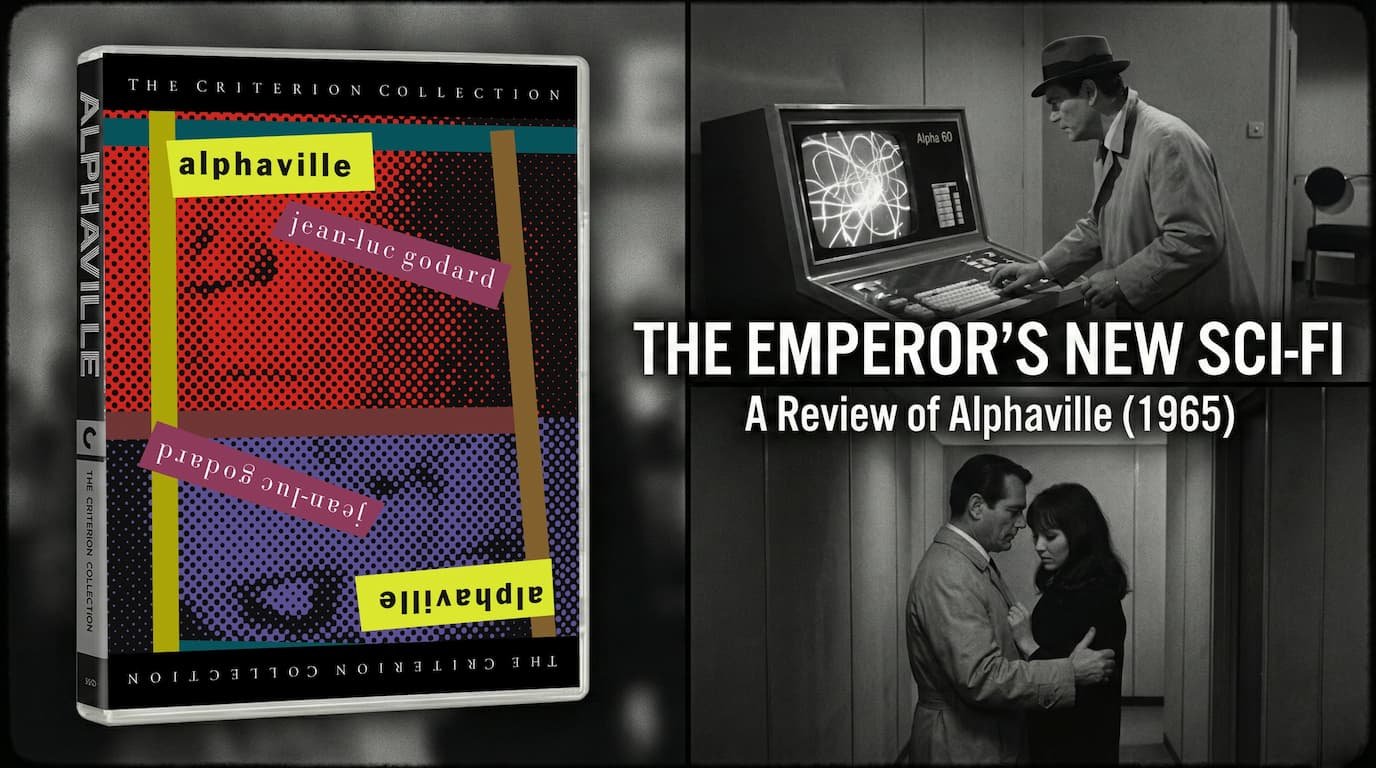
Review: Alphaville (Spine #25)
The Emperor’s New Sci-Fi Sometimes, a film is a profound exploration of society, and sometimes, it is exactly what it…
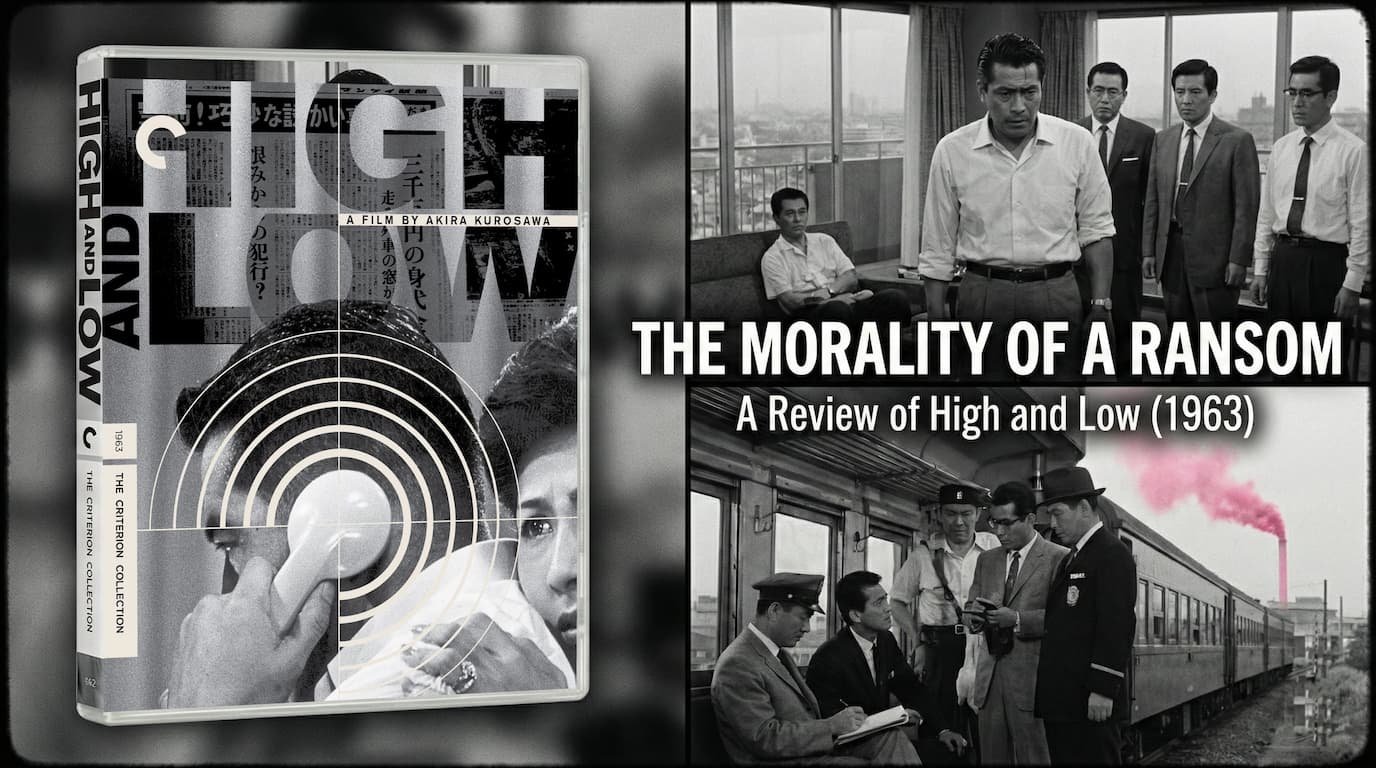
Review: High and Low (Spine #24)
The Morality of a Ransom For my second Kurosawa experience (after Seven Samurai ), High and Low (1963) trades the…
0 Comments