
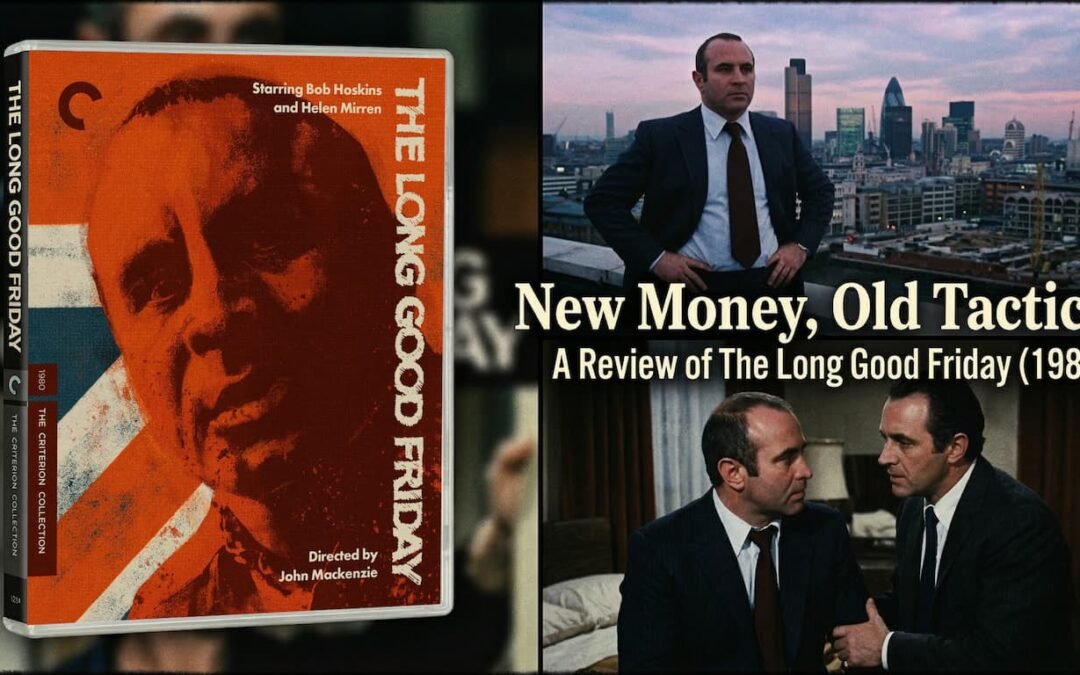
New Money, Old Tactics
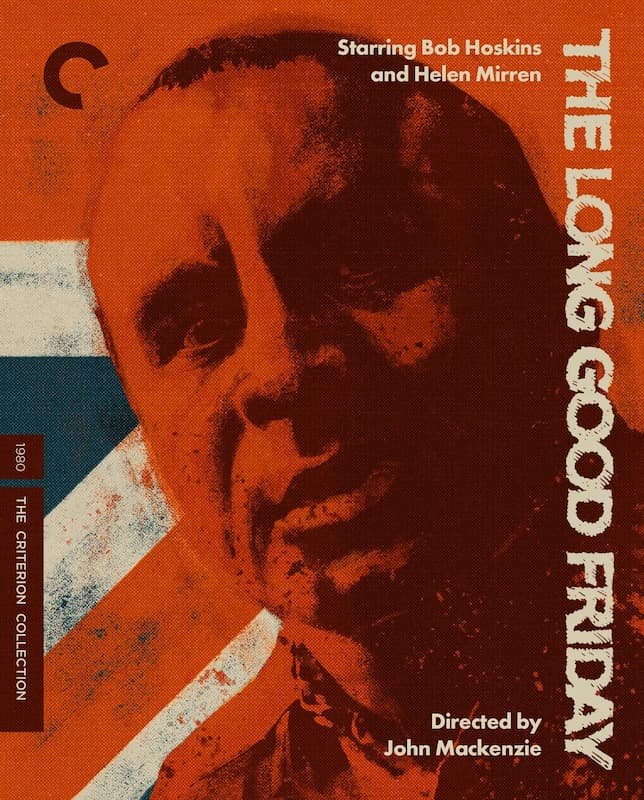
After the aimless, stylistic wandering of Alphaville, The Long Good Friday (1980) hits like a physical punch. It is a masterclass in British grit that trades high-concept pretension for a grounded, high-stakes story about a man whose world is changing faster than he can keep up with.
Bob Hoskins is a powerhouse as Harold Shand, a crime boss attempting a desperate leap into “legitimate” business. Harold represents the volatility of “New Money.” His efforts to look like a sophisticated tycoon feel mildly desperate because he is trying too hard to bridge the gap between the London streets and global capitalism. In contrast, the American Mafia represents “Old Money”—they are calm, detached, and fully prepared to walk away if the deal turns sour. They have other opportunities; Harold has nothing but this.
The tension ratchets up when Harold realizes he isn’t fighting a rival gang, but the IRA. This provides a fascinating look at the limits of gangster power. A gangster like Harold can usually intimidate anyone because he is willing to go further than his target. But once the resistance gains power—driven by ideology rather than greed—Harold’s tactics simply don’t hold up. He is playing a game of intimidation against an enemy that isn’t afraid to die. When that is the only game you know, you are fundamentally outmatched.
The film is anchored by Helen Mirren as Victoria, who proves to be the true strategist of the pair. She understands the “Old Money” game better than Harold does, smoothing over the Americans’ concerns while Harold spirals into a sweating, brutal mess.
The Verdict: The final shot remains one of the greatest in Hoskins’ career. As Harold sits silently in the back of a hijacked car, we see the realization of his failure wash over him. He wasn’t just out-muscled; he was outclassed by a world that no longer responds to his brand of violence.
Related Posts

The Cinema Sanctuary: Why Movie Theaters Still Matter in a Digital Age
Josh Adams Tucked within the folds of this applesauce brain of mine are a thousand electrical impulses representing…
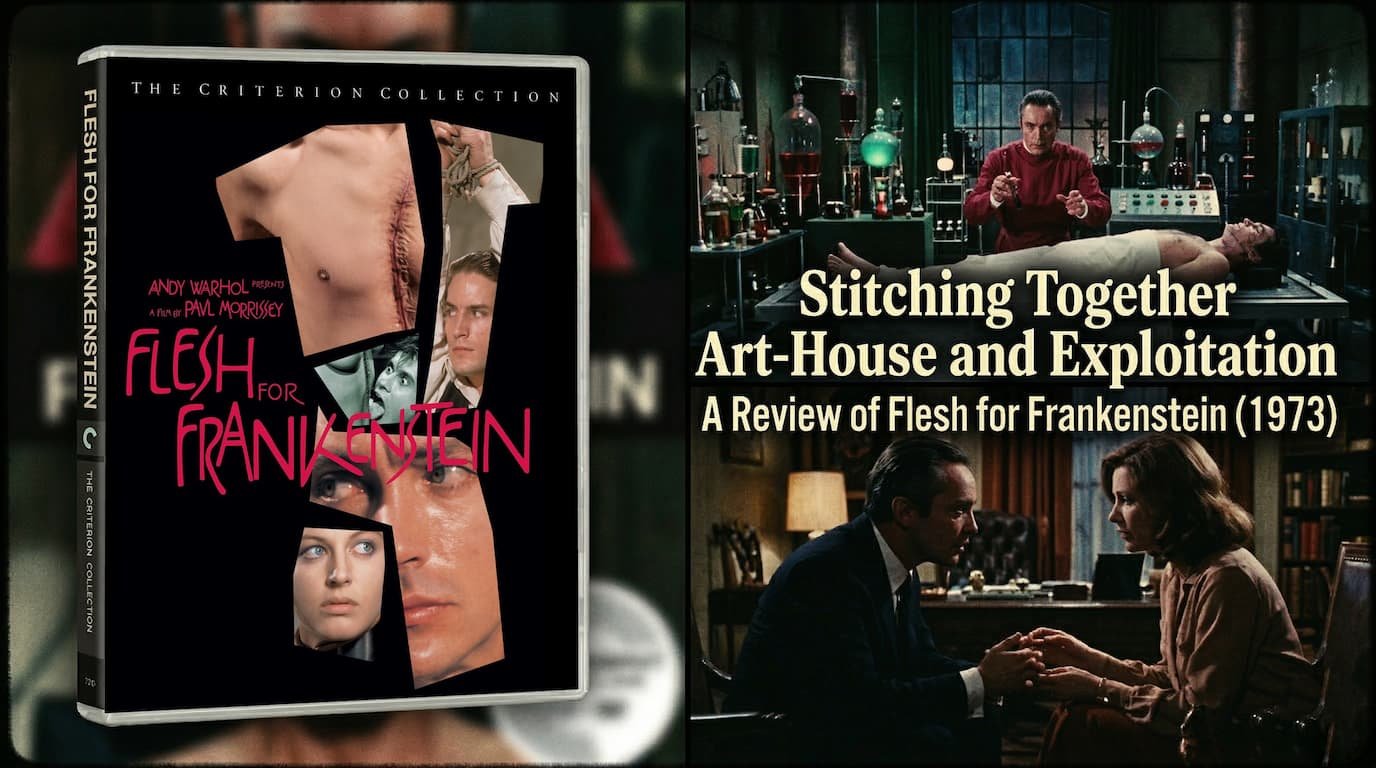
Review: Flesh for Frankenstein (Spine #27)
Stitching Together Art-House and Exploitation Spine #27 is a wild departure from the gritty realism of The Long Good…
0 Comments