
The Academy Awards are like that one friend who claims to have great taste in music but only listens to what’s on the radio. For every correct call, there are a dozen misses that leave film history baffled. I’m not talking about the “almost won” crowd; I’m talking about the performances that were too weird, too genre-heavy, or just too damn cool for the voters to understand. These are the turns that defined careers, anchored masterpieces, and frankly, embarrassed the actual winners of their respective years. Here are the 10 performances that didn’t just deserve a nomination—they deserved the whole podium.
1. Val Kilmer – Tombstone (1993)
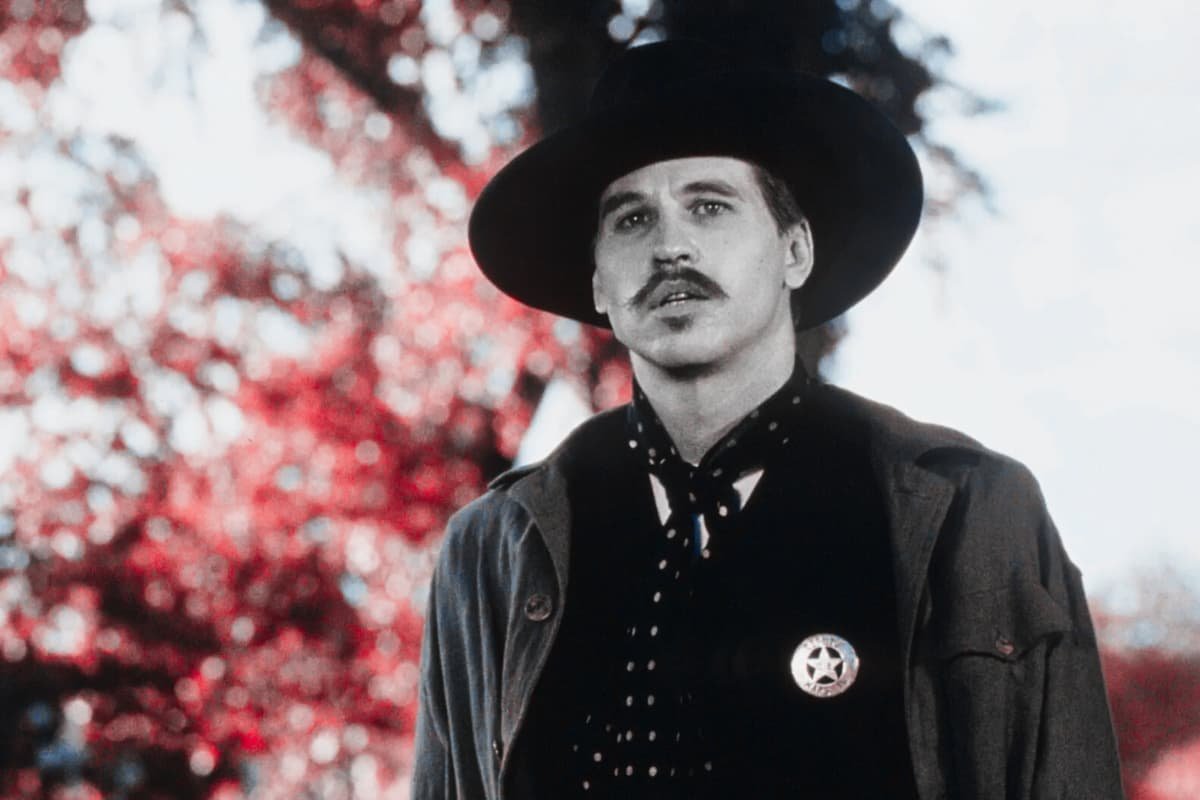
The greatest supporting turn in a Western, period (and I’m not even a western fan). Everyone quotes “I’m your Huckleberry,” but the brilliance of Kilmer’s Doc Holliday isn’t just the one-liners—it’s the sweat. Kilmer played Holliday as a man actively dying in every single frame, yet moving with the fluid lethality of a snake.
The Proof: Watch the cup-spinning scene again. That wasn’t a camera trick. Kilmer spent months learning to twirl a weighted tin cup with the same dexterity as a Colt .45, specifically to mock Johnny Ringo’s gun juggling. The Academy ignored it because it was a “pop” Western, but Kilmer stole the movie so hard Kurt Russell is practically a background extra.
2. Toni Collette – Hereditary (2018)
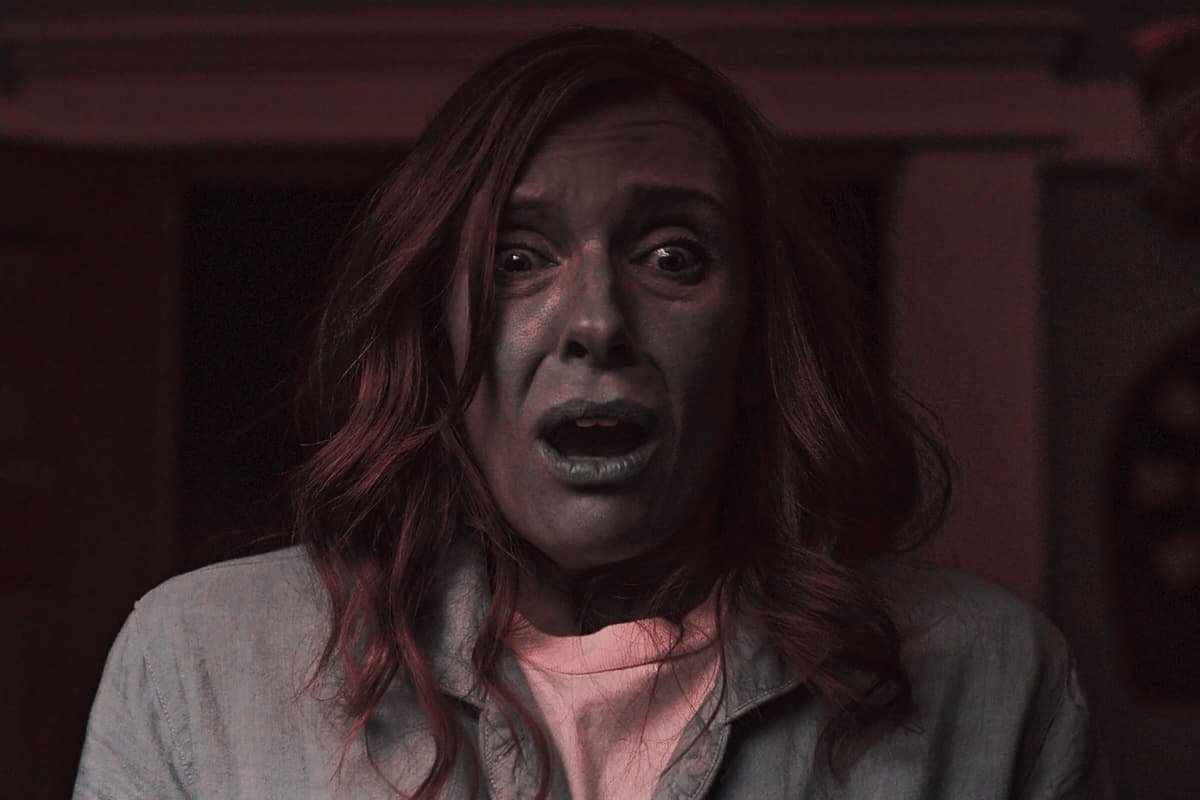
Horror bias at its absolute worst. If Toni Collette had delivered this performance in a drama about a divorce, she would have swept the season. Instead, because she was in a horror film involving cults and decapitation, the Academy pretended it didn’t happen. They were wrong.
The Proof: The dinner table scene. No ghosts, no jump scares—just Collette’s Annie unleashing a monologue of pure, venomous resentment at her son. When she screams, “All I get back is that fucking face on your face!” she isn’t acting; she is exorcising a demon of grief that feels uncomfortably, terrifyingly real. It is the most naked display of maternal rage ever committed to film.
3. Jake Gyllenhaal – Nightcrawler (2014)
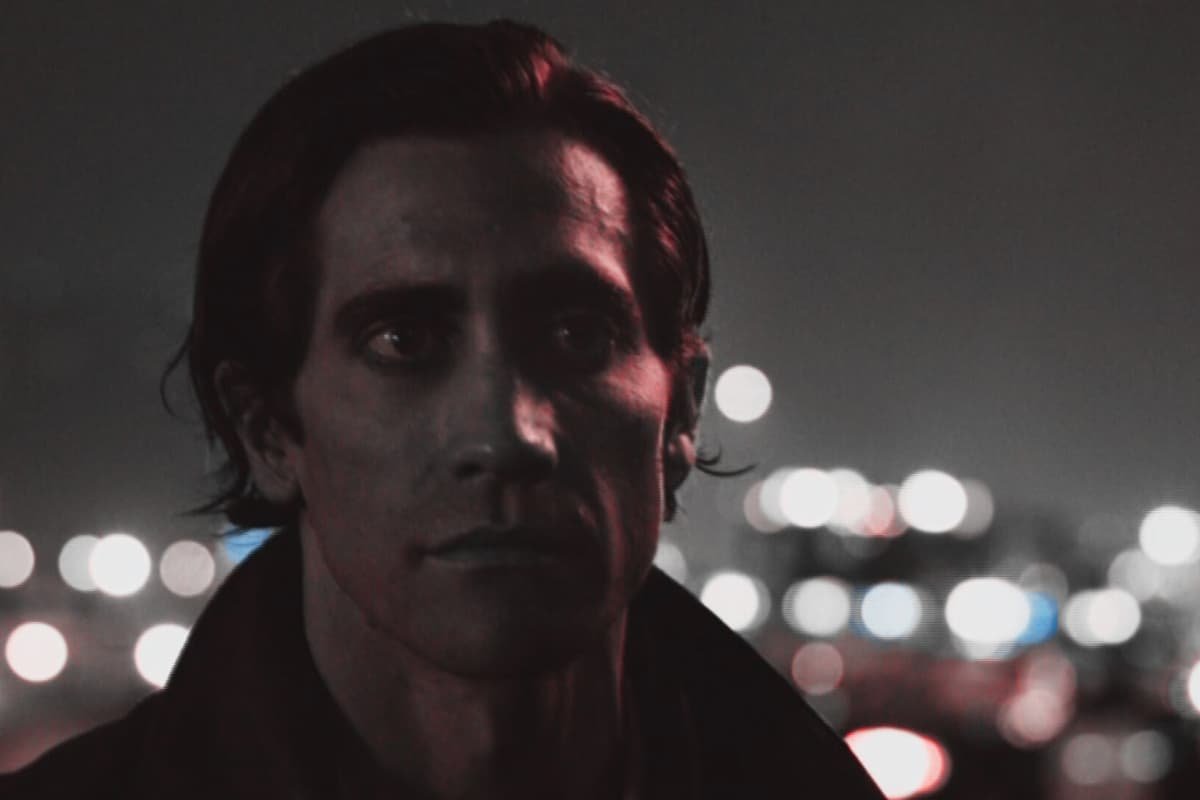
A masterclass in predator biology. Lou Bloom isn’t just a creep; he’s an alien trying to pass as a human. Gyllenhaal lost 30 pounds for the role, but the real transformation was in the eyes. He treated the character like a coyote—always hungry, always scanning.
The Proof: The blinking. Go back and watch it—Gyllenhaal almost never blinks during his monologues. He stares with that wide-eyed, coyote-like intensity that forces the audience to look away first. The Academy went for Eddie Redmayne’s biopic transformation that year (a great performance in its own right), but missed the fact that Gyllenhaal had created a monster entirely from scratch.
Want more Jake? Heath does too. Here’s our Brokeback Mountain episode
4. Pam Grier – Jackie Brown (1997)
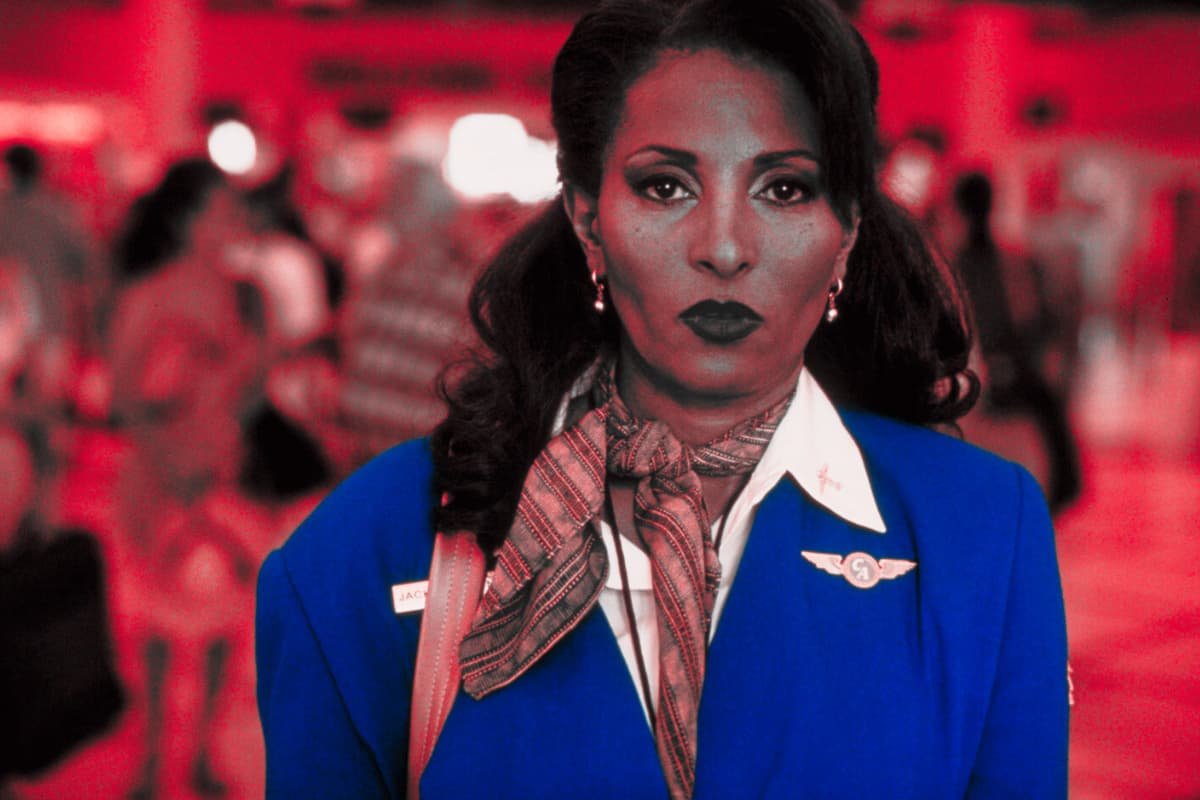
The quietest, most soulful performance in the Tarantino canon (including the Gimp). Quentin Tarantino is known for dialogue, but Pam Grier anchored his most mature film with silence. She played Jackie not as a blaxploitation caricature, but as a tired, middle-aged woman holding onto her last shred of dignity.
The Proof: The opening shot. For nearly three minutes, we just watch Grier stand still on a moving walkway. No dialogue, just her face in profile, conveying a lifetime of exhaustion and resilience before the plot even starts. It’s a masterclass in screen presence that the voters completely overlooked in favor of flashier, louder roles.
5. Hugh Jackman – Prisoners (2013)
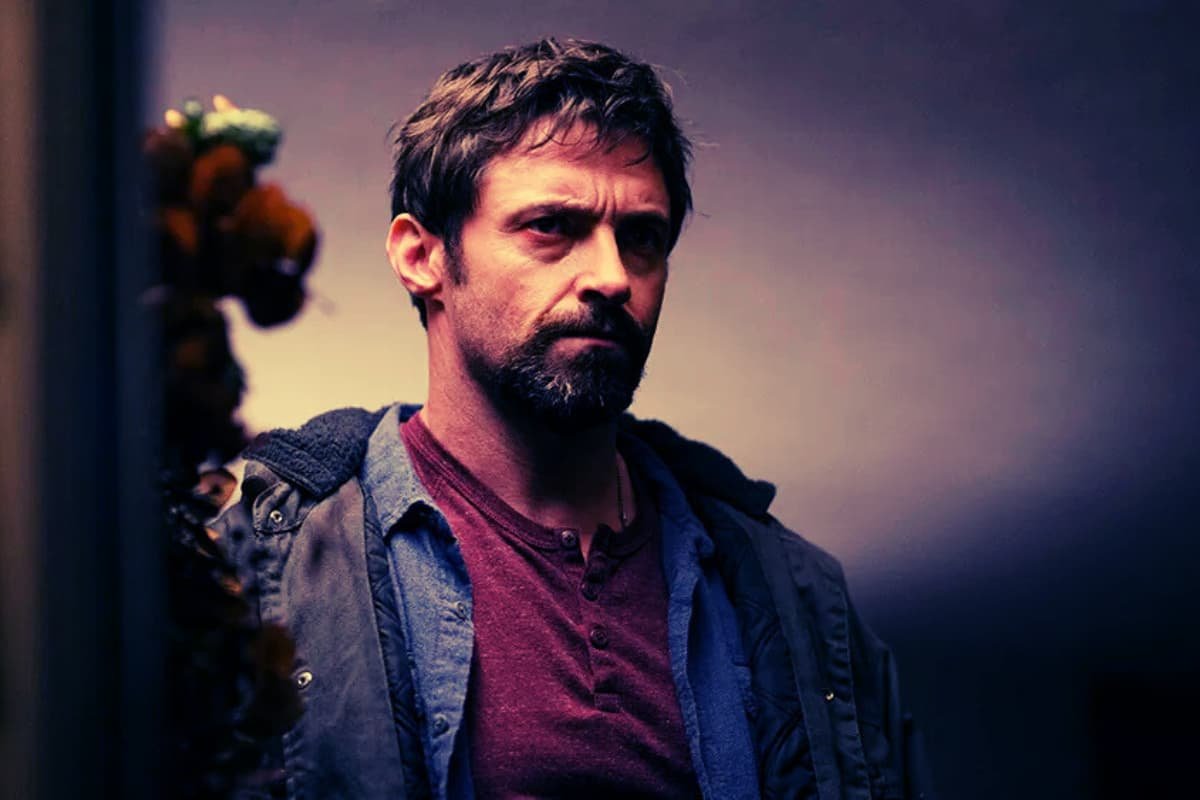
Wolverine has never been this scary. We know Jackman can do song-and-dance and superheroes, but Prisoners proved he could tap into a reservoir of dad-rage that was genuinely disturbing. He played a man whose moral compass is incinerated by grief.
The Proof: The interrogation scene with the sink. That wasn’t fully scripted. Jackman was so deep in the moment that when he smashed the hammer into the wall and sink, he genuinely terrified co-star Paul Dano, who flinches for real. It’s raw, ugly, and devoid of vanity—exactly the kind of acting the Oscars usually claim to love.
6. Marilyn Monroe – Some Like It Hot (1959)
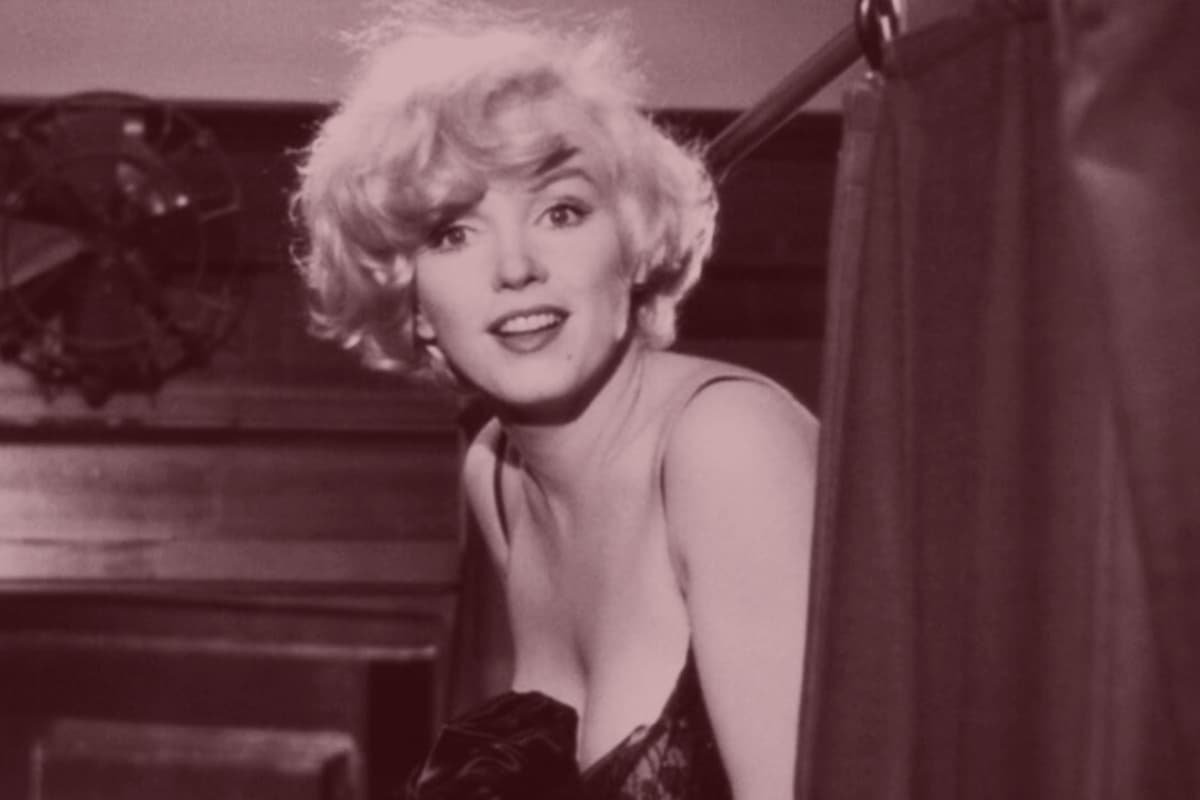
I’m going to go back a bit for this one. The myth is that “she was just playing herself.” Critics love to dismiss Monroe as a product of lighting and makeup, but Sugar Kane is a comedic high-wire act. She had to be the emotional anchor in a farce filled with men in drag and mobsters, and she made it look effortless.
The Proof: The “Not very bright” line. Watch how she delivers it—not with stupidity, but with a tragic self-awareness that breaks your heart while you’re laughing. Despite her legendary on-set struggles (she required dozens of takes for simple lines), the final product is a performance of such vulnerability and “physical truth” that it remains the film’s beating heart.
7. Jim Carrey – The Truman Show (1998)
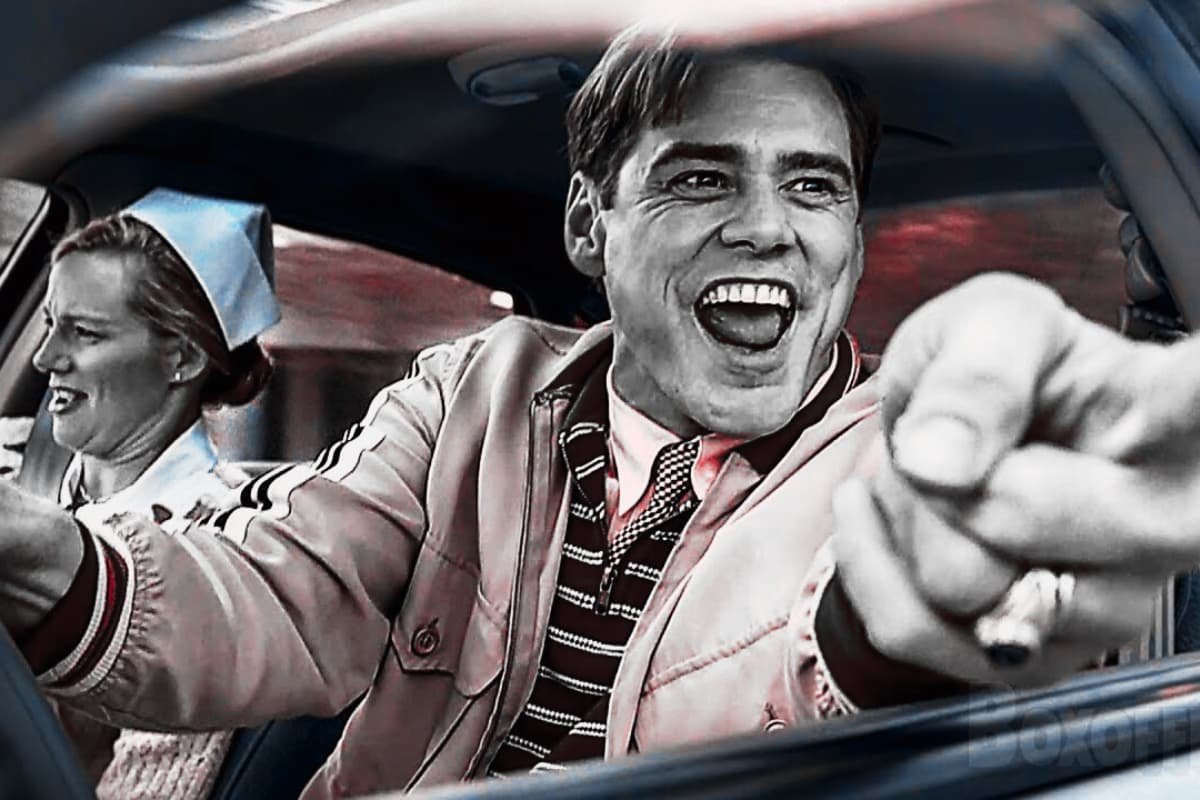
The clown crying on the inside (done right). This was the moment we realized Carrey wasn’t just a rubber-faced comic; he was a dramatic heavyweight. He played Truman Burbank with a manic, desperate cheerfulness that slowly curdles into paranoia.
The Proof: The “Trumania” mirror scene. The script just called for Truman to look in the mirror. Carrey improvised the entire soap-drawing alien sequence. It’s funny, yes, but it’s also deeply sad—a glimpse into the lonely inner world of a man who has been watched his entire life but has never truly been seen.
Prefer your Jim Carrey silly? Check out Dumb and Dumber
8. Robert Mitchum – The Night of the Hunter (1955)
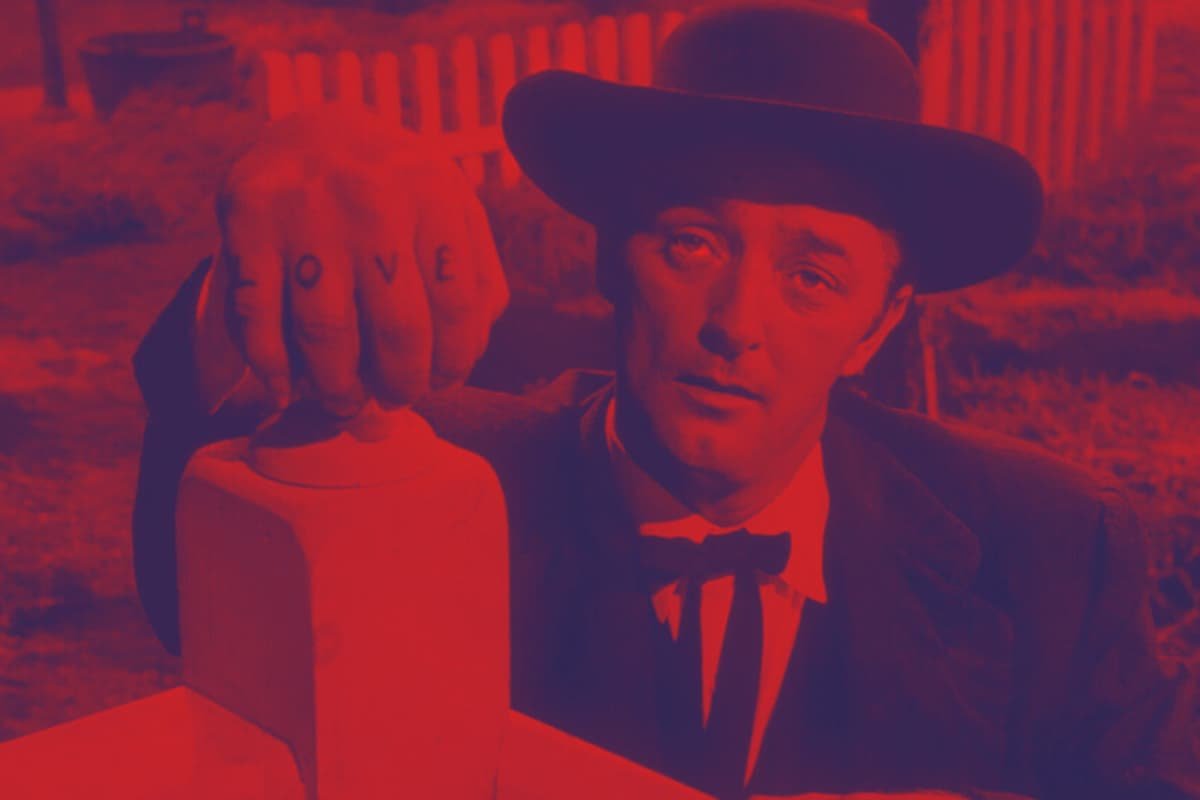
The original cinematic boogeyman (and a valid reason to distrust the clergy). Before Hannibal Lecter, there was Reverend Harry Powell. Mitchum took his “sleepy-eyed” persona and weaponized it, creating a villain who was equal parts charming and demonic. The film was a flop in ’55, which explains the snub, but history has vindicated him.
The Proof: The “Love and Hate” speech. Mitchum explains the tattoos on his knuckles with a rhythmic, preacher-like cadence that is hypnotic. He isn’t yelling; he’s seducing the town (and the audience) with his own madness. It is a performance of pure, charismatic evil that no modern villain has quite matched.
9. Amy Adams – Arrival (2016)

Acting is more than emoting. Acting is listening, and nobody listens like Amy Adams. Sci-fi performances are rarely honored because they involve green screens and tennis balls. Adams had to emote opposite a giant floating squid, grounding a high-concept film in profound human emotion.
The Proof: The linguistics. Watch how her body language shifts from academic confidence to trembling awe as she decodes the Heptapod language. The film’s circular structure only works because Adams plays the “future” memories with a subtle, underlying melancholy that you only understand on a second watch. She was the film’s visual effect.
10. Samuel L. Jackson – Django Unchained (2012)
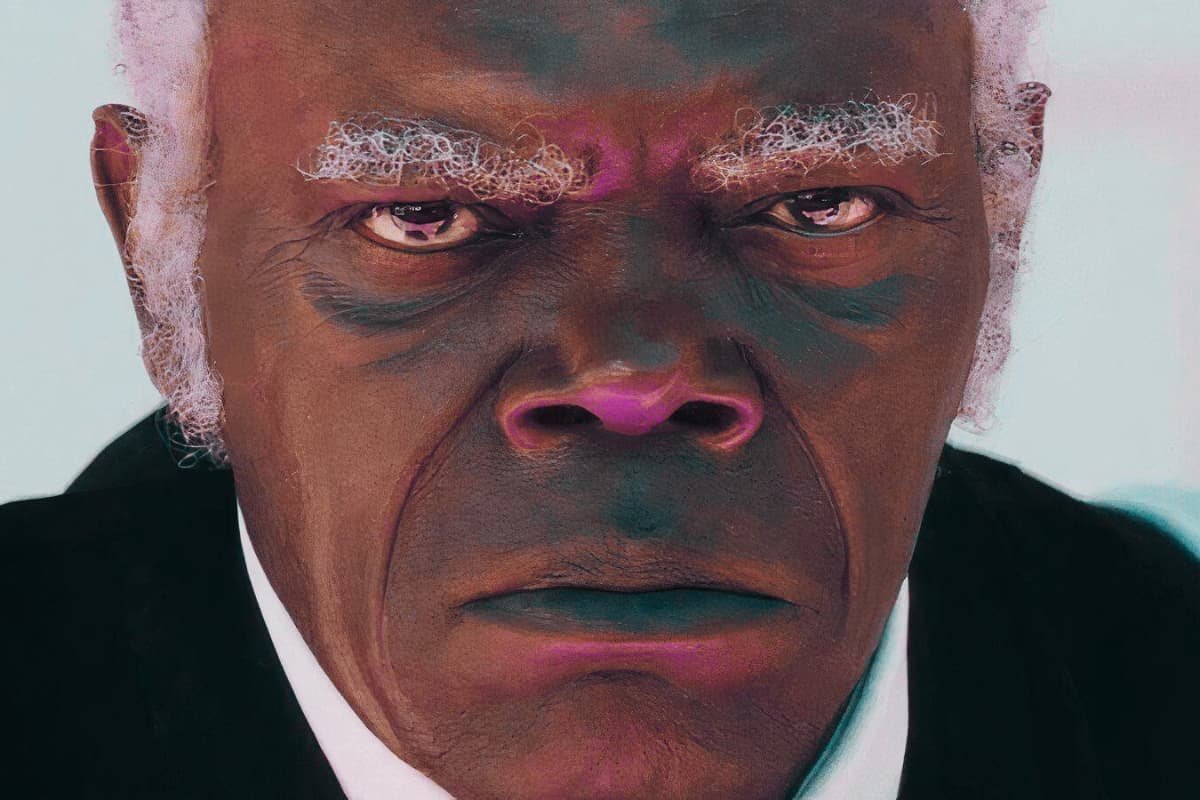
Let’s have one more Tarantino-directed role. I feel the real villain was in the house, and it wasn’t the Candyman. Christoph Waltz won the Oscar, and DiCaprio got the memes, but Jackson gave the best performance. Stephen is a Shakespearean traitor—a man who hates his own identity so much he becomes the cruelest enforcer of the system.
The Proof: The eye shift. There is a specific moment when DiCaprio leaves the room and Jackson drops the “feeble old man” act. His eyes sharpen, his posture straightens, and he pours a drink with the steady hand of the true mastermind. It is chilling, brilliant, and arguably the bravest role of Jackson’s career.
What did we miss? Does the Academy get it wrong more often than it gets it right. Let us know in the comments which snub still makes you yell at your TV screen.
4 Comments
Submit a Comment
Related Posts
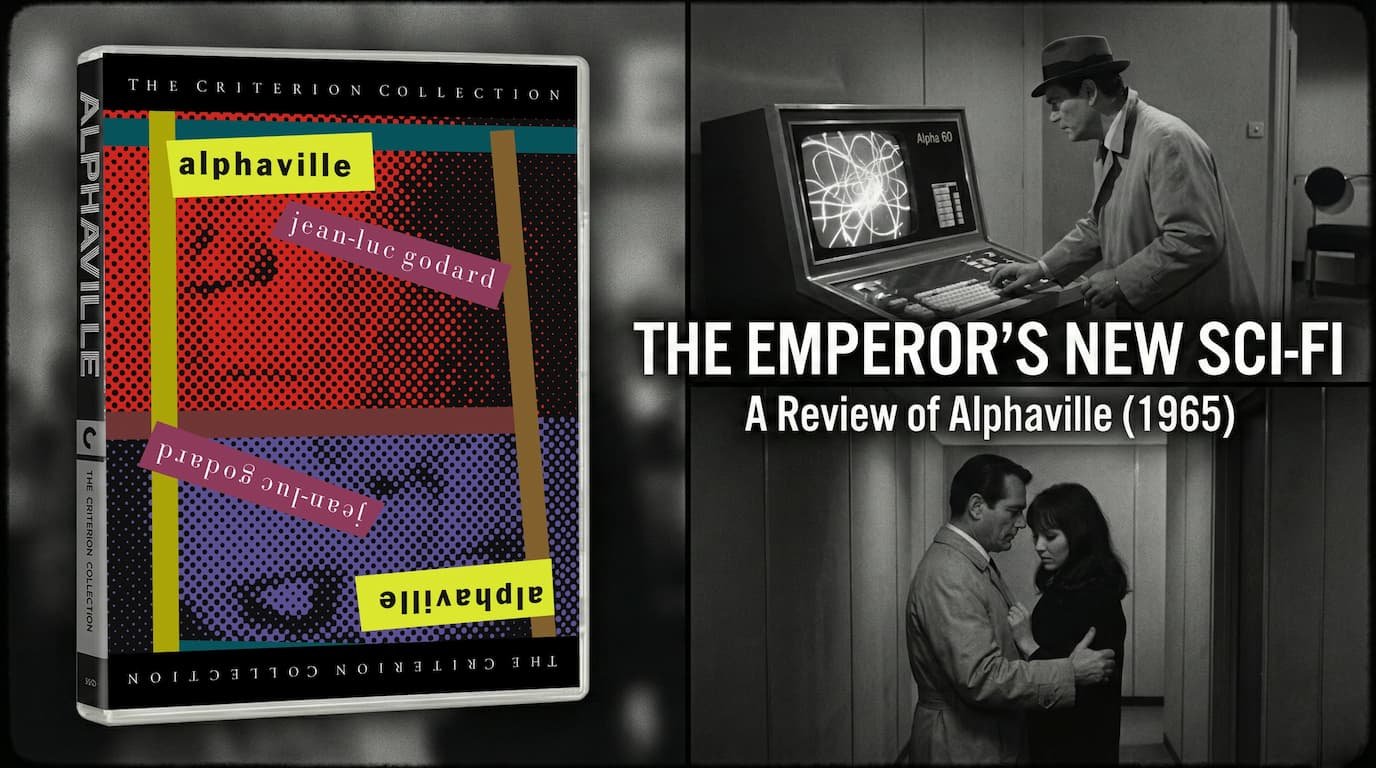
Review: Alphaville (Spine #25)
The Emperor’s New Sci-Fi Sometimes, a film is a profound exploration of society, and sometimes, it is exactly what it…
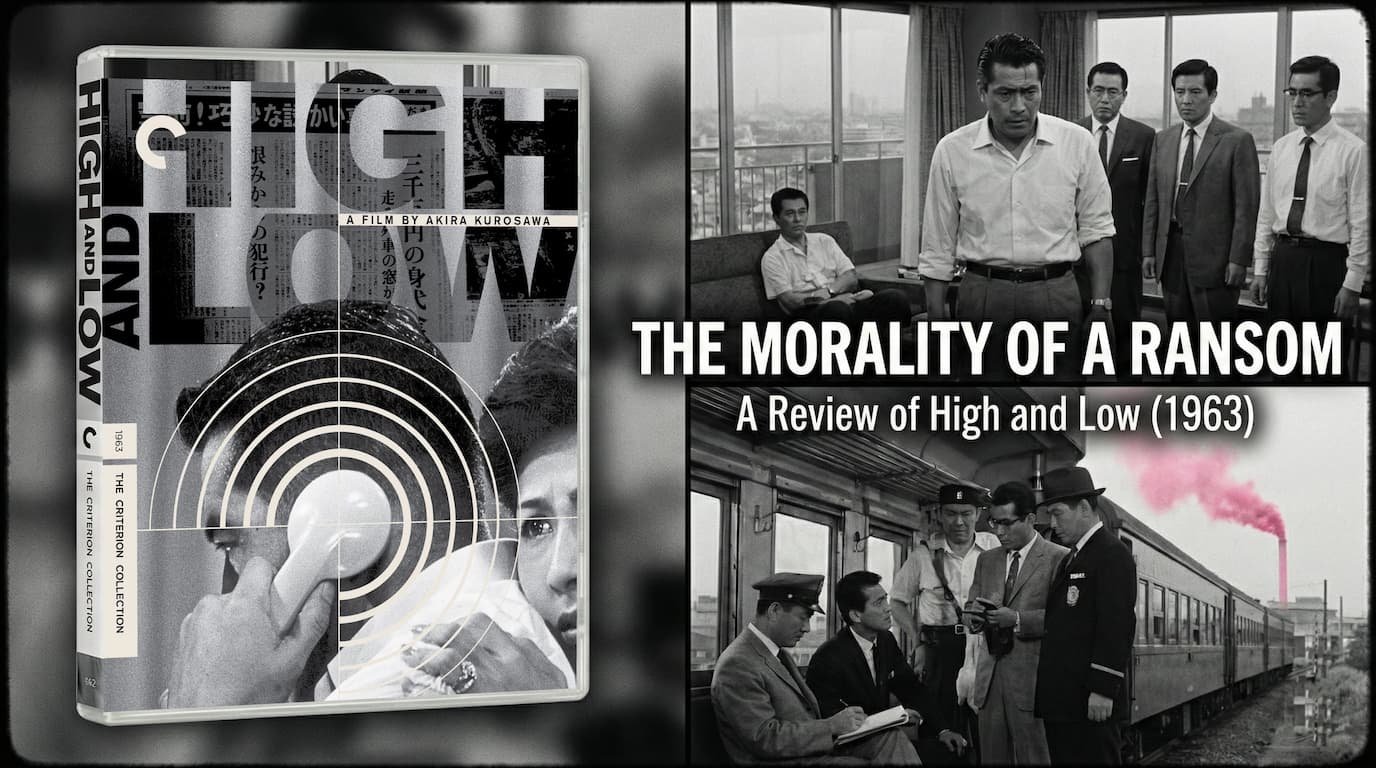
Review: High and Low (Spine #24)
The Morality of a Ransom For my second Kurosawa experience (after Seven Samurai ), High and Low (1963) trades the…
A few hot takes identifying a very individualized preference for Honorable Mentions… the Edward Norton/Brad Pitt duo- Fight Club. Bill Murray-Lost in Translation (I haven’t watched this in many years but I remember the roll being played well). Lastly, how did Ian McKellan not win an Oscar as Gandolf the White??
Those are some pretty strong contenders. Bill Murray was nominated for Best Actor (so he was at least recognized) and Ian McKellan was nominated for Best Supporting Actor (again recognized). Norton/Pitt were both terrific (both usually are) but which one should be recognized over the other?
Could you not have Norton recognized as Best Actor and Pitt as Best supporting? I realize they both likely had roughly the same amount of screen time and importance to the film. However, the whole premise of the movie is Tyler Durden (Pitt) supporting The Narrator (Norton) in getting him to break free from his mundane life, societal expectations, and ultimately to embrace pain. A true peas and carrots relationship. Wait, is Tyler Durden to Jenny as The Narrator is to Forrest?
I certainly agree that Norton was the lead in Fight Club (and I would 100% take him over Spacey in American Beauty). Pitt should have been nominated for Supporting as well (if Haley Joel Osment wasn’t beating Michael Caine that year, no one was).
With Tyler and the Narrator being the same person, I don’t know if I’d go peas and carrots…more like peas and crazy inner pea.