
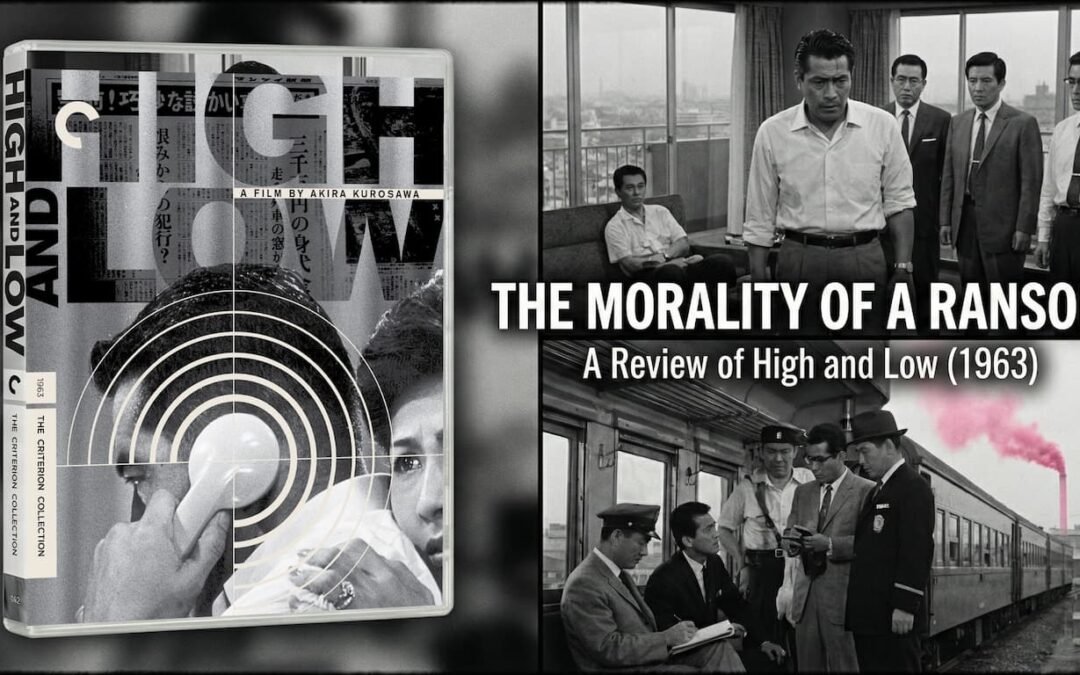
The Morality of a Ransom
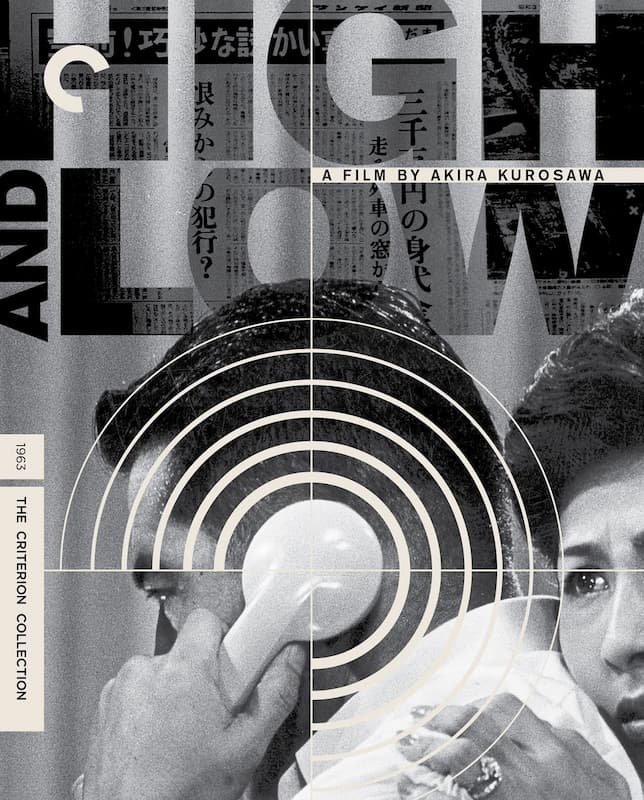
For my second Kurosawa experience (after Seven Samurai), High and Low (1963) trades the katana for the telephone, but the tension is just as high. This film is widely considered one of the greatest police procedurals ever made, but it is the moral dilemma at its center that makes it a masterpiece.
The premise is brilliant: a wealthy executive, King Gondo (Toshiro Mifune), is told his son has been kidnapped. He is ready to pay the massive ransom… until he realizes the kidnapper took his chauffeur’s son by mistake. This twists the knife. It isn’t just a crime story; it is a moral test. Gondo has to choose between ruining his career to save a child that isn’t his, or letting the boy die to preserve his fortune. It forces the audience to wrestle with the decision alongside him. (I believe he made the right one).
The first half of the film takes place almost entirely in Gondo’s living room, yet it never feels static. Kurosawa keeps the visuals engaging by constantly “jumping” perspectives and staging the actors with incredible precision. He positions Gondo and the chauffeur in ways that constantly remind us of the stakes—who has the power, and who suffers the consequences.
The second half shifts into a gritty procedural, tracking the police as they hunt the kidnapper through the sweating city. While I felt the runtime was a bit too long, the shift in tone works. A highlight is the famous use of color in a black-and-white film—pink smoke rising from a burning briefcase. It is a masterstroke that cuts through the greyness of the investigation.
The Verdict: The title (literally Heaven and Hell) is a clear critique of how the wealthy conduct themselves in high towers while others suffer below. However, while I understood the social commentary, I felt no pity for the kidnapper. High and Low is a long watch, but it is a masterclass in blocking and tension.
Related Posts
Review: Alphaville (Spine #25)
The Emperor’s New Sci-Fi Sometimes, a film is a profound exploration of society, and sometimes, it is exactly what it…
Reel Terror: Blood Quantum Flips the Script on Infection, Even if the Drama Doesn’t Quite Stick
Fresh off watching 28 Years Later , my wife and I were still in the mood for the undead, but we wanted something with…
0 Comments